
Imperial Commissions
Sultans ordered works from architects, artists and craftspeople attached to the palace workshops or working elsewhere in the Ottoman Empire.
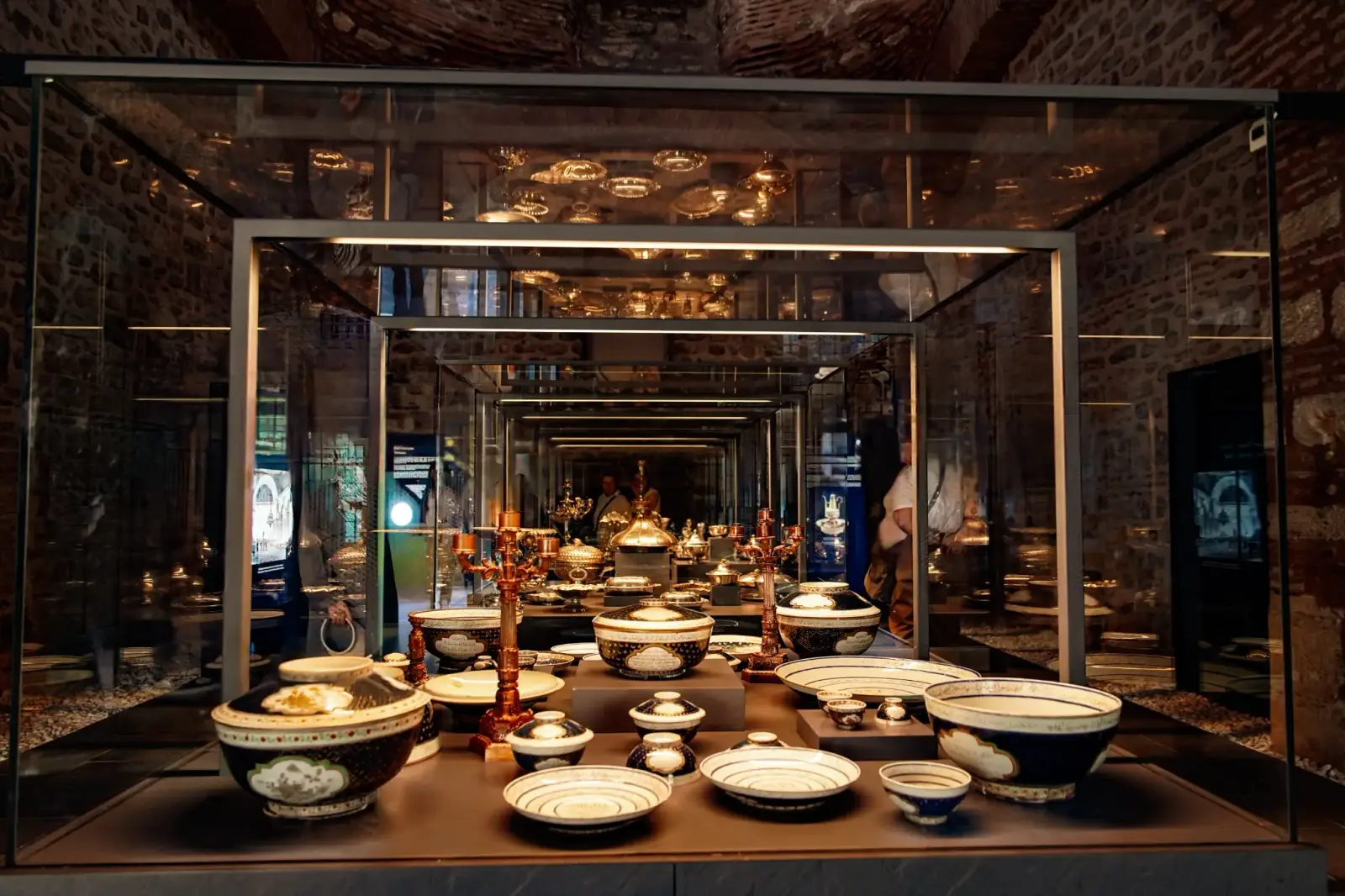
Topkapi Palace · Imperial Collections
Discover the objects that surrounded the Ottoman court — from legendary jewels and sacred relics to imperial garments, ceremonial weapons, porcelain, manuscripts and works of art.
Explore the collectionsTopkapi Palace is more than a complex of courtyards, chambers and pavilions. It is also home to collections formed during centuries of Ottoman rule.
Some objects were commissioned for the sultans, while others entered the palace as diplomatic gifts, ceremonial offerings, inheritances or the results of military campaigns. Many were created by artists and craftspeople working for the imperial court.
Unlike the objects in a conventional museum, these pieces remain closely connected to the historic spaces in which they were once stored, displayed or used. Together, they reveal the ceremonial life, artistic traditions, religious responsibilities and international connections of the Ottoman dynasty.
The palace holdings overlap across different materials and curatorial categories. The sections below introduce the principal collections visitors may encounter, although not every object or gallery is permanently open.
The Imperial Treasury is the most celebrated of Topkapi Palace’s collections. It is displayed in the Conqueror’s Pavilion in the Third Courtyard, one of the oldest buildings in the palace complex.
For the Ottoman dynasty, the treasury was more than a storehouse of wealth. It safeguarded objects associated with sovereignty, ceremony and dynastic continuity. Its holdings grew through imperial commissions, diplomatic gifts, inheritances and military campaigns.
The collection includes precious stones, jewelled weapons, ceremonial thrones, aigrettes, pendants, Quran covers, containers and objects made from gold, silver, jade, crystal and other valuable materials.
The 86-carat Spoonmaker’s Diamond, known in Turkish as the Kaşıkçı Elması, is the most famous jewel in the palace. The pear-shaped diamond is surrounded by 49 smaller diamonds.
Several legends attempt to explain its origins, but its early history remains uncertain.
The Topkapi Dagger was created during the reign of Sultan Mahmud I and intended as a diplomatic gift for Nader Shah of Persia. It returned to the palace after the shah was assassinated before the Ottoman delegation could deliver it.
Its gold decoration, three large emeralds and concealed watch have made it one of the best-known examples of Ottoman court craftsmanship.
The Treasury also contains richly decorated thrones, royal insignia, ceremonial weapons and gifts presented to the Ottoman court. These objects communicated authority, wealth and the continuity of the dynasty.
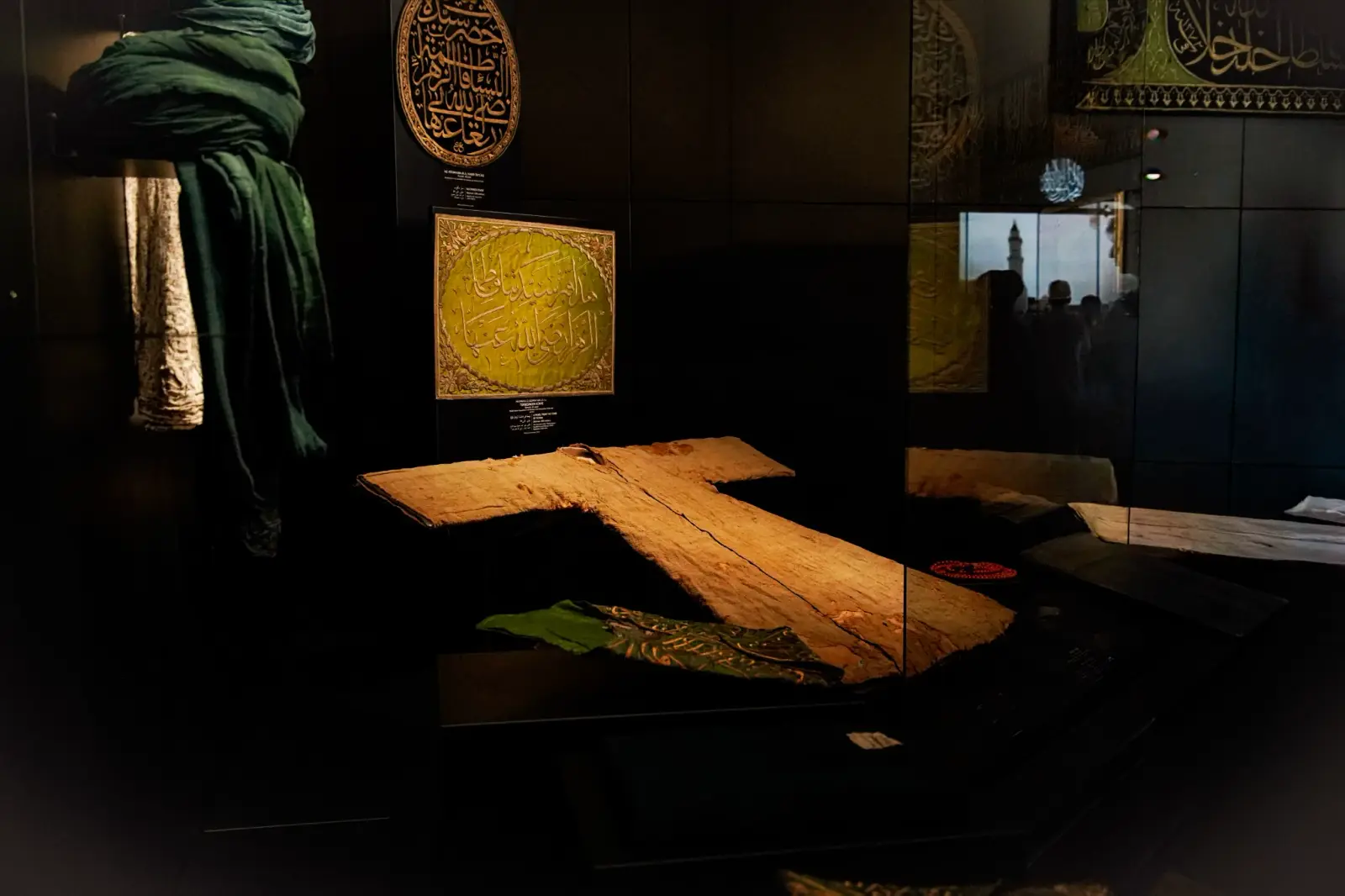
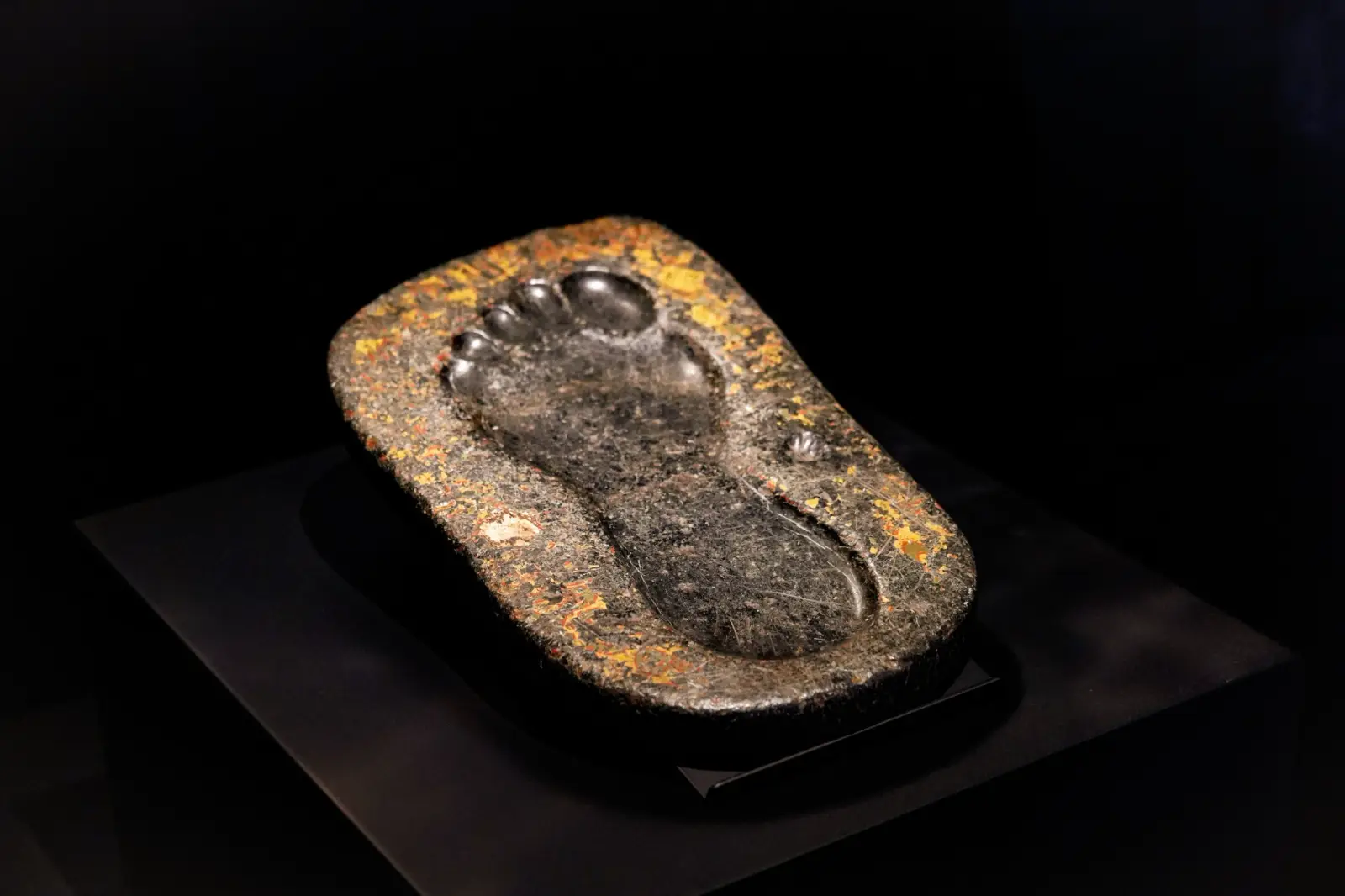
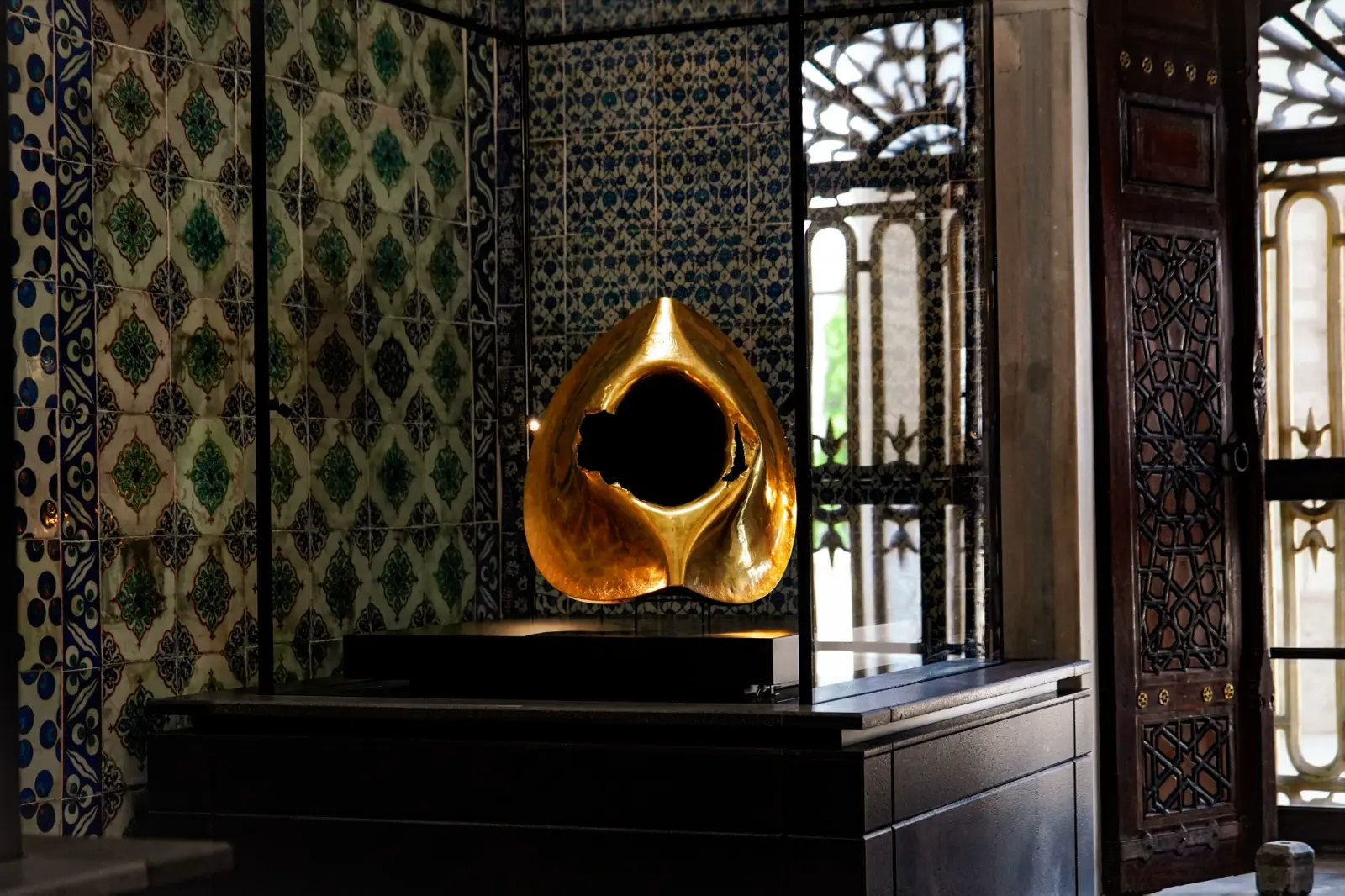
The Sacred Relics are preserved in the Privy Chamber, known as the Has Oda, in the Third Courtyard.
The collection contains objects traditionally associated with the Prophet Muhammad, his companions, earlier prophets and the holy cities of Mecca and Medina. Many relics were brought to Istanbul following Sultan Selim I’s Egyptian campaign in 1517, while others entered the collection during later centuries.
This section is not presented as a display of imperial wealth. It remains a place of religious and historical significance, and visitors are expected to behave respectfully.
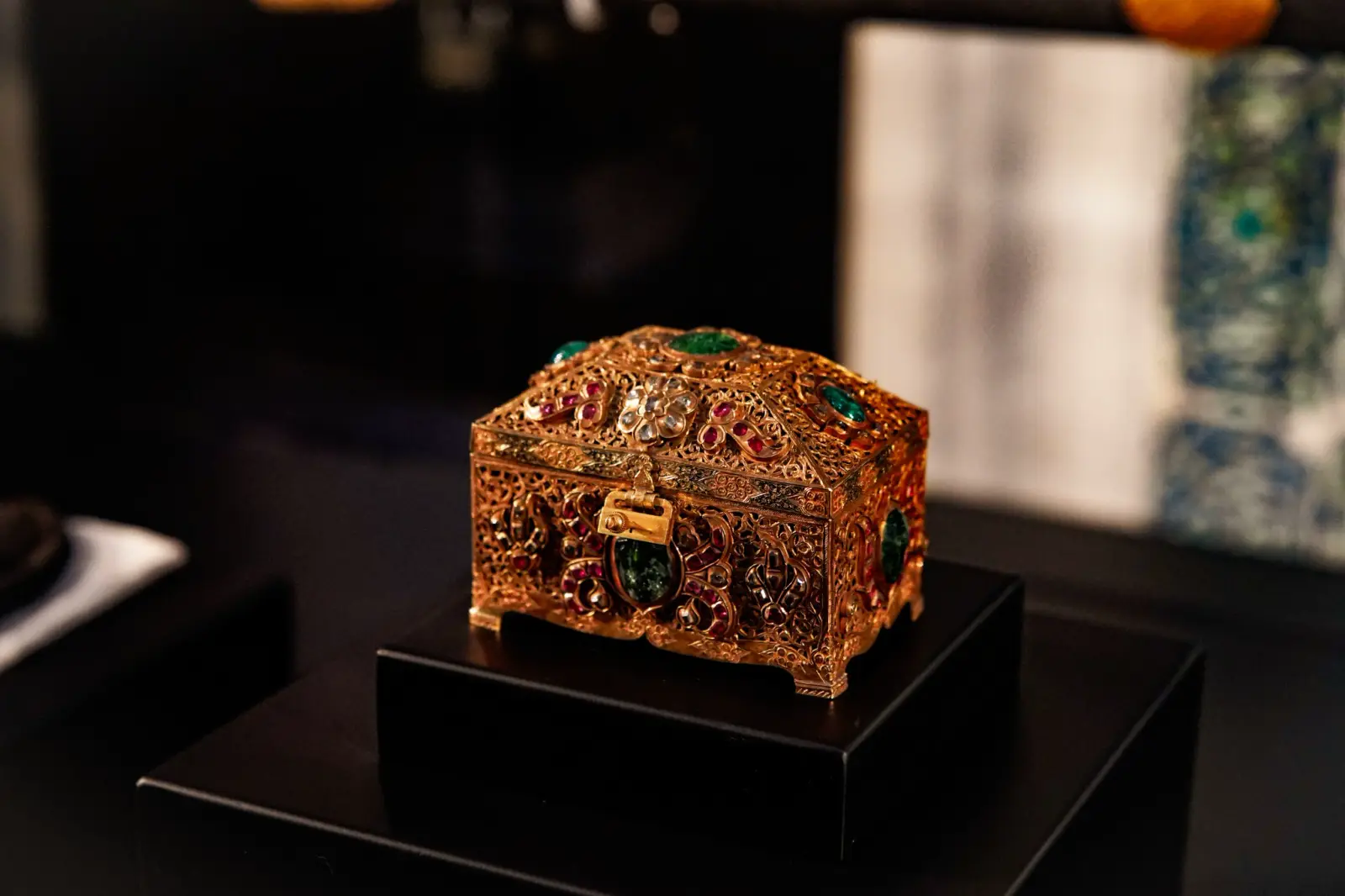
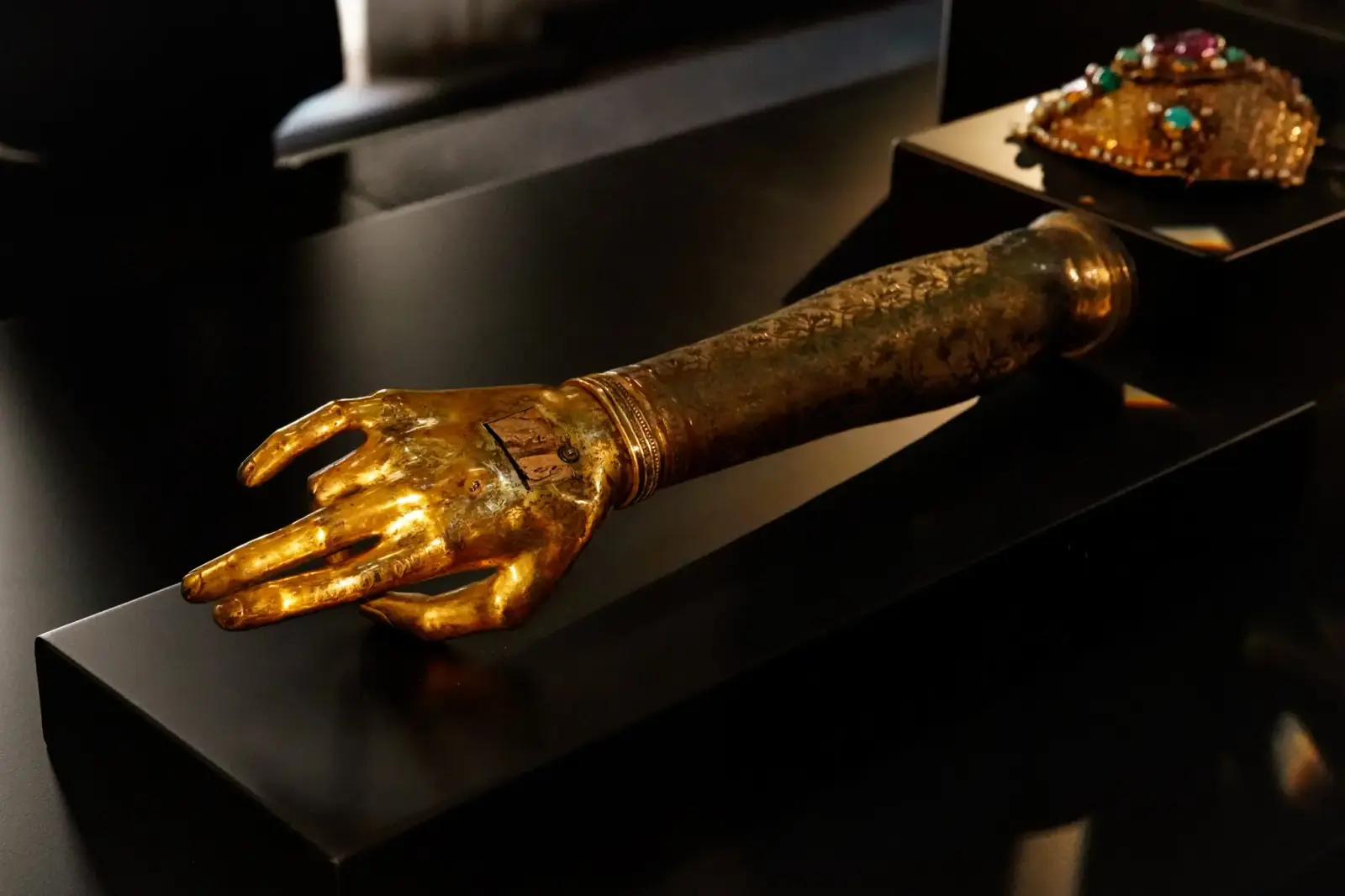
Topkapi Palace preserves an extensive collection of Ottoman, Islamic, European and Asian arms and armour.
The collection includes swords, daggers, bows, arrows, quivers, maces, helmets, shields, chain mail, pistols, rifles and ceremonial weapons. Some were made for combat, while others were created for court ceremonies or presented to the sultans as diplomatic gifts.
Many pieces combine military function with exceptional craftsmanship. Gold and silver inlay, precious stones, inscriptions, calligraphy and floral decoration transformed weapons into symbols of rank and imperial authority.
The collection also documents changes in warfare over several centuries, from traditional archery and bladed weapons to the increasing use of firearms.
Some of the palace’s historic arms were once kept inside Hagia Irene, which served as an imperial armoury and later played an important role in the development of museum collections in Istanbul. Hagia Irene is a historic building, however, rather than a separate collection.
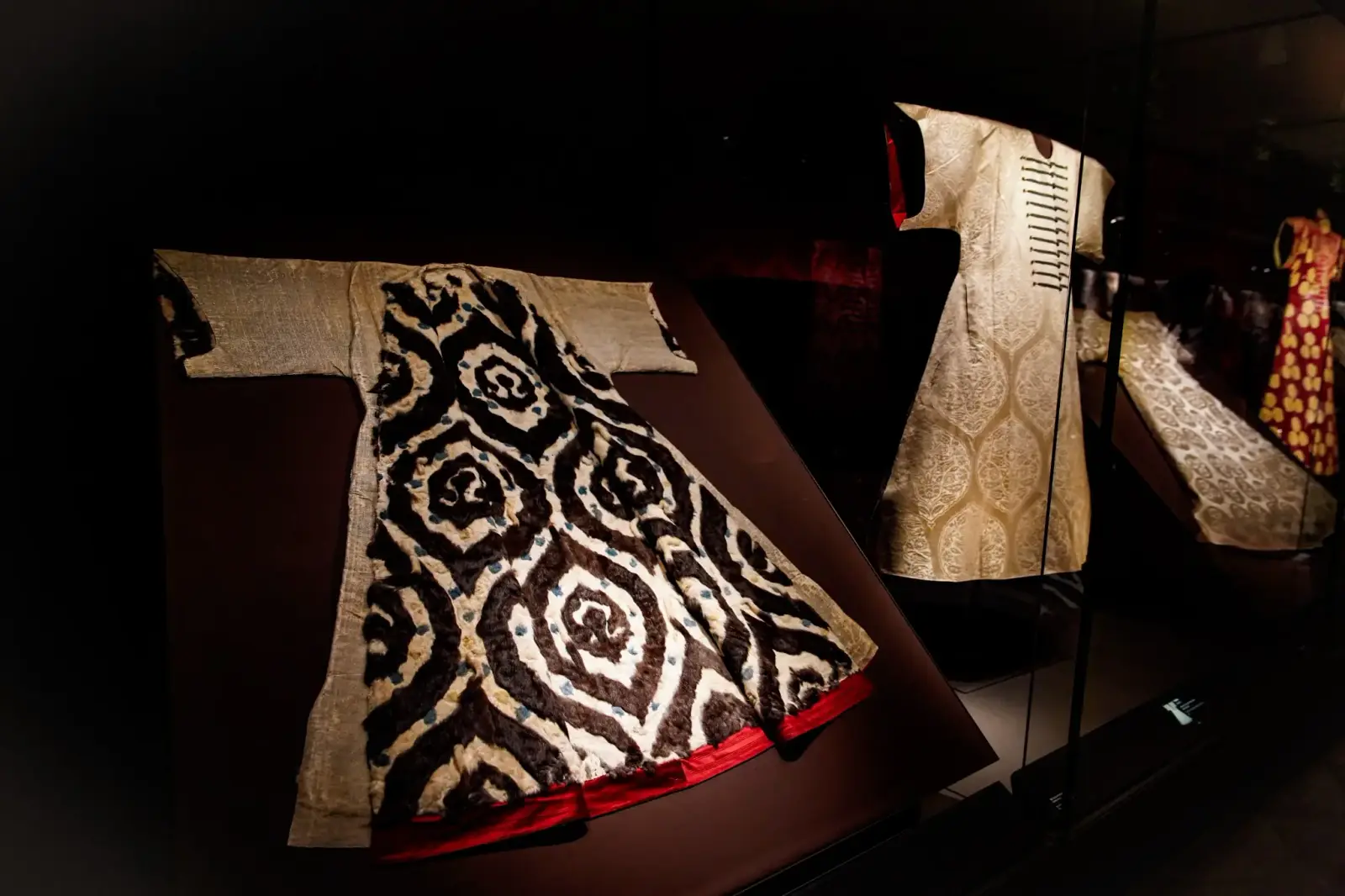
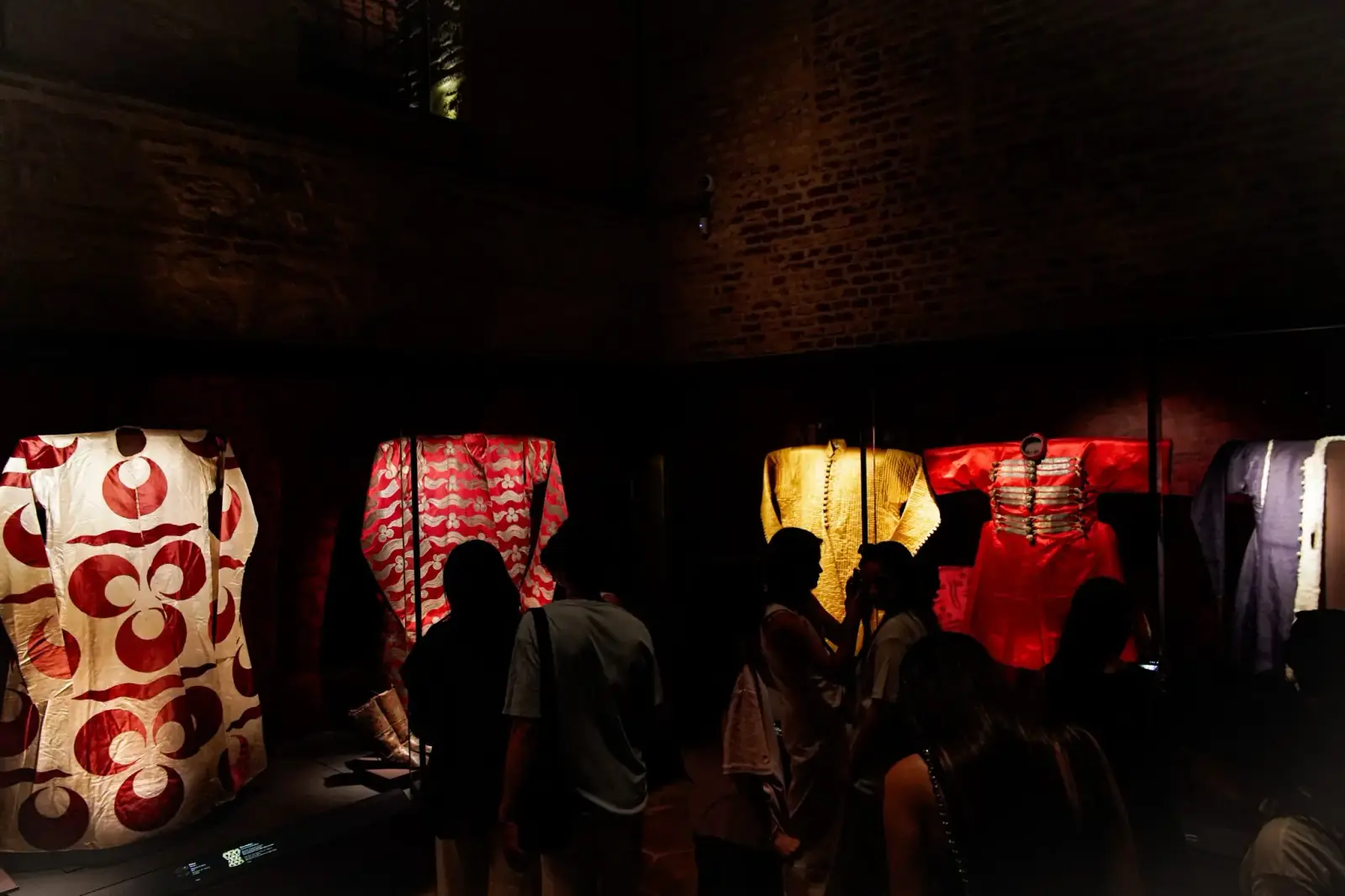
The palace’s costume and textile holdings offer a rare view of how Ottoman sultans, princes and members of the dynasty presented themselves through clothing.
Ceremonial kaftans, everyday robes, trousers, headwear, embroidered garments and textile accessories were carefully preserved in the palace treasury. Their survival makes the collection an important record of Ottoman court fashion and textile production.
The garments were produced using luxurious silks, brocades, velvets and fabrics woven with gold or silver thread. Decorative elements include floral designs, cloud patterns and the distinctive çintamani motif associated with strength and sovereignty.
These objects were not simply personal possessions. Their materials, colours, patterns and construction communicated status, ceremony and the visual identity of the Ottoman court.
Because historic textiles are highly sensitive to light, only selected pieces may be displayed at any one time.
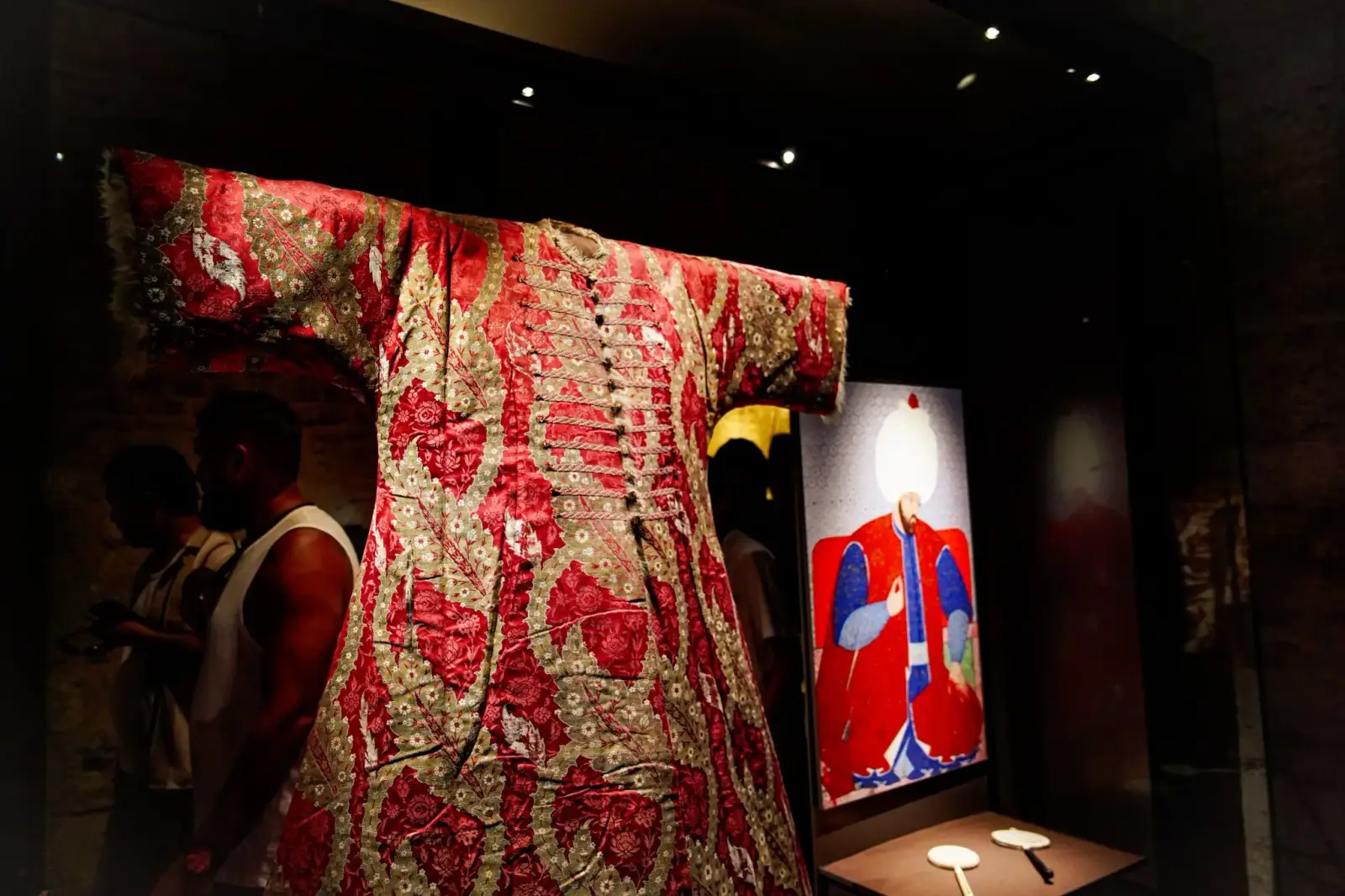
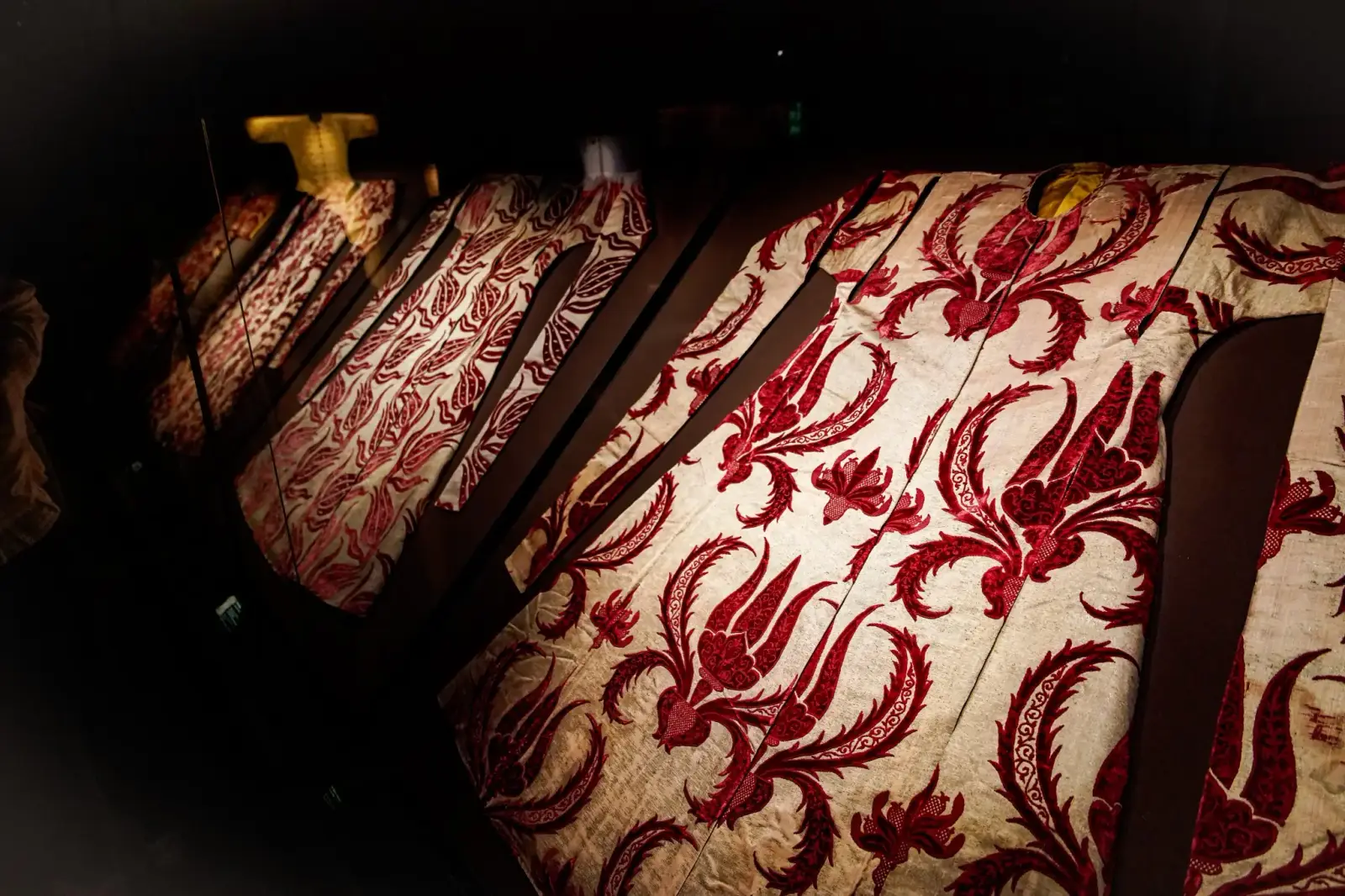
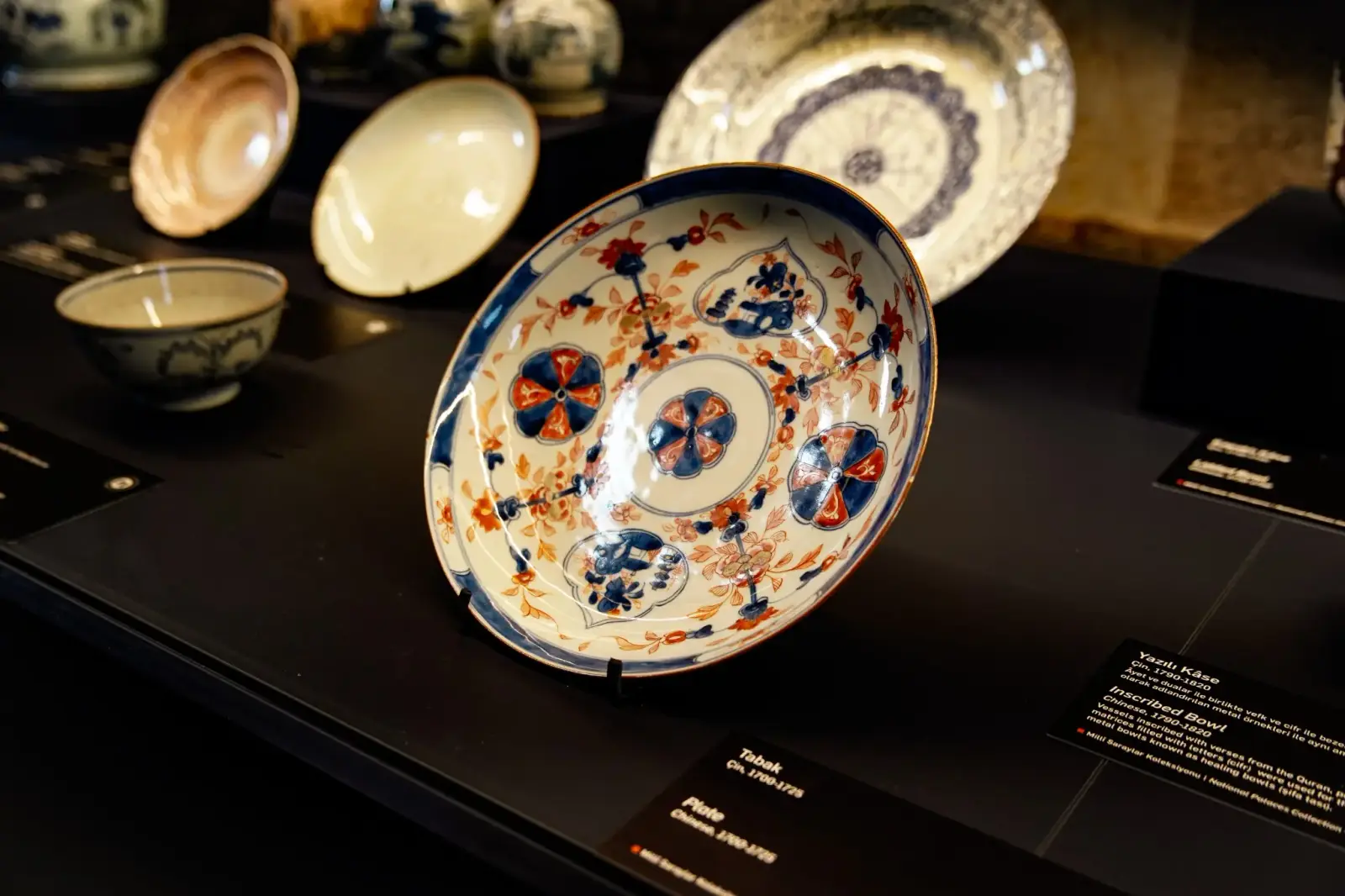
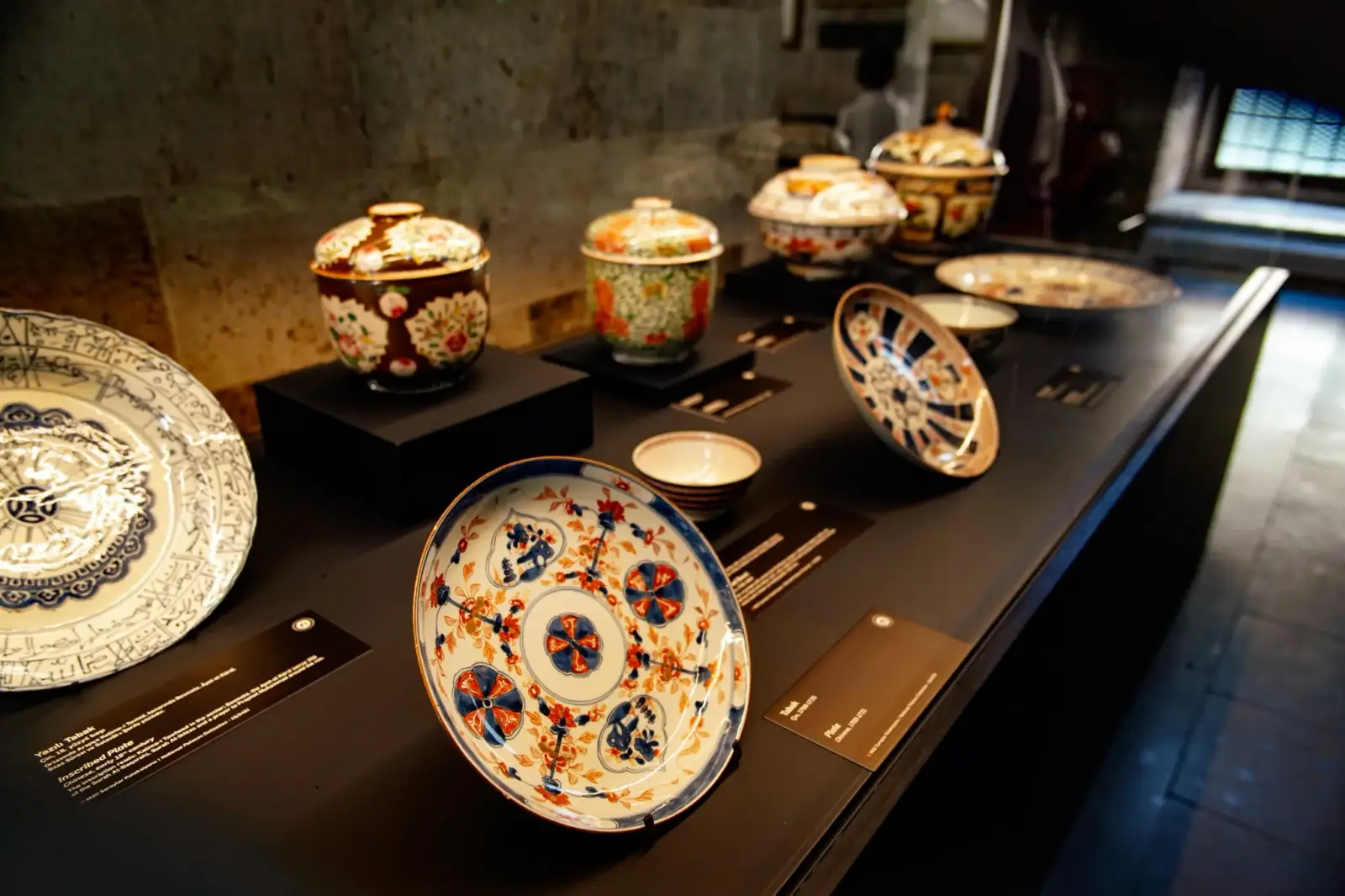
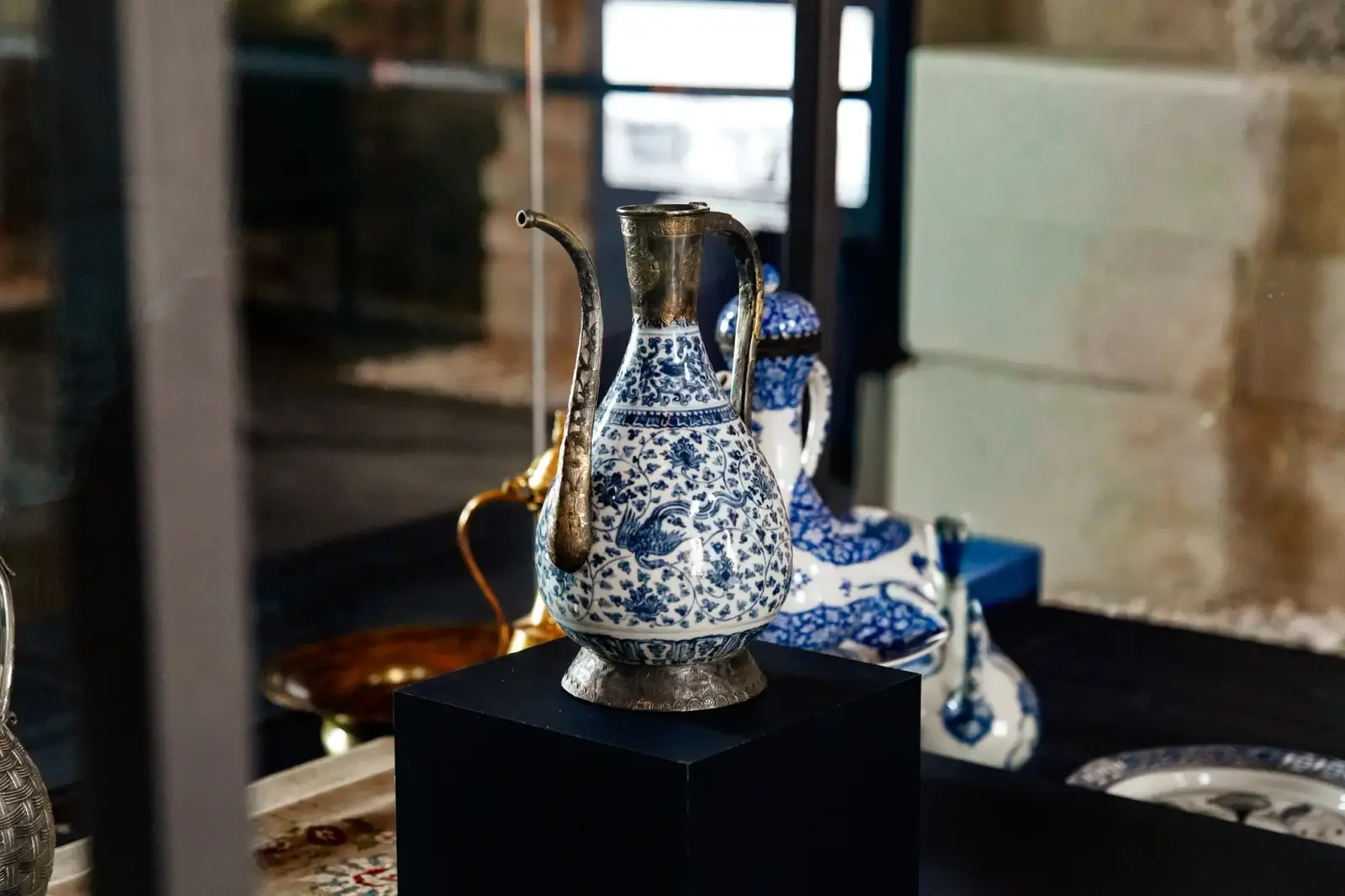
Topkapi Palace holds one of the world’s most important palace collections of Chinese porcelain and celadon, together with a smaller but significant group of Japanese ceramics.
The collection reflects the long-distance trade networks that connected the Ottoman court with East Asia. Chinese ceramics reached the palace through commerce, diplomatic exchange and gifts presented to the dynasty.
Celadon was particularly valued for its colour and durability, as well as the historic belief that it could react when it came into contact with poison.
Many pieces are associated with the palace kitchens and the enormous organisation required to serve the imperial household. The collection also demonstrates how objects created far from Istanbul were incorporated into Ottoman court life.
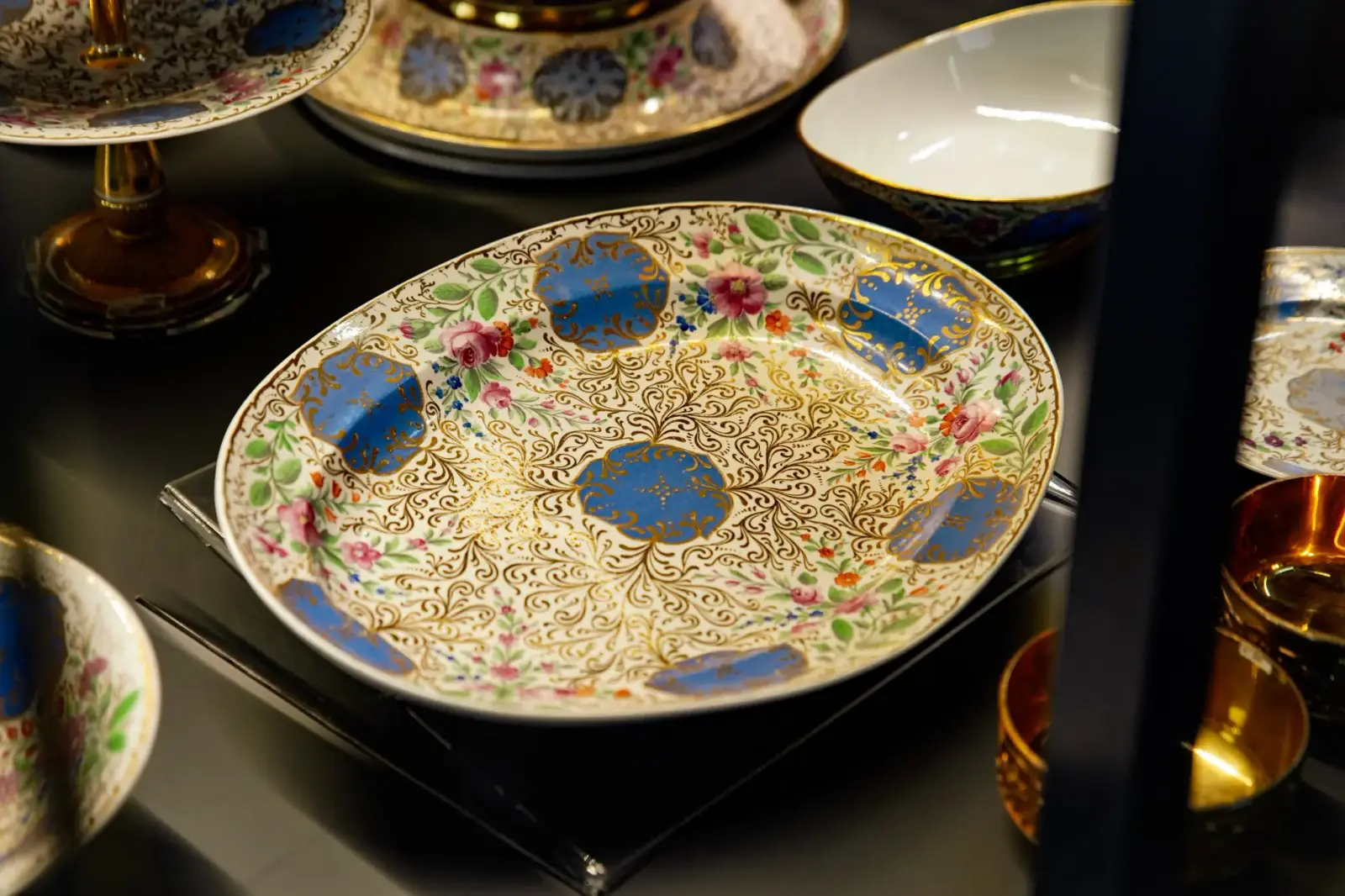
European porcelain entered Topkapi Palace through diplomatic gifts, imperial purchases and the expansion of international trade.
The collection includes works produced by prominent European manufacturers as well as pieces made specifically for Ottoman patrons. Some were decorated with Ottoman coats of arms, crescents, inscriptions or designs adapted to court taste.
Table services, plates, bowls, cups, coffee sets, decorative vessels and presentation pieces reflect changes in palace dining and ceremonial traditions during the 18th and 19th centuries.
European porcelain should be presented separately from the Chinese and Japanese collection. Although the objects were sometimes used in similar palace settings, they reached the Ottoman court through different artistic, political and commercial networks.
The collection also includes porcelain produced by the Yıldız Imperial Porcelain Factory, established during the reign of Sultan Abdülhamid II.
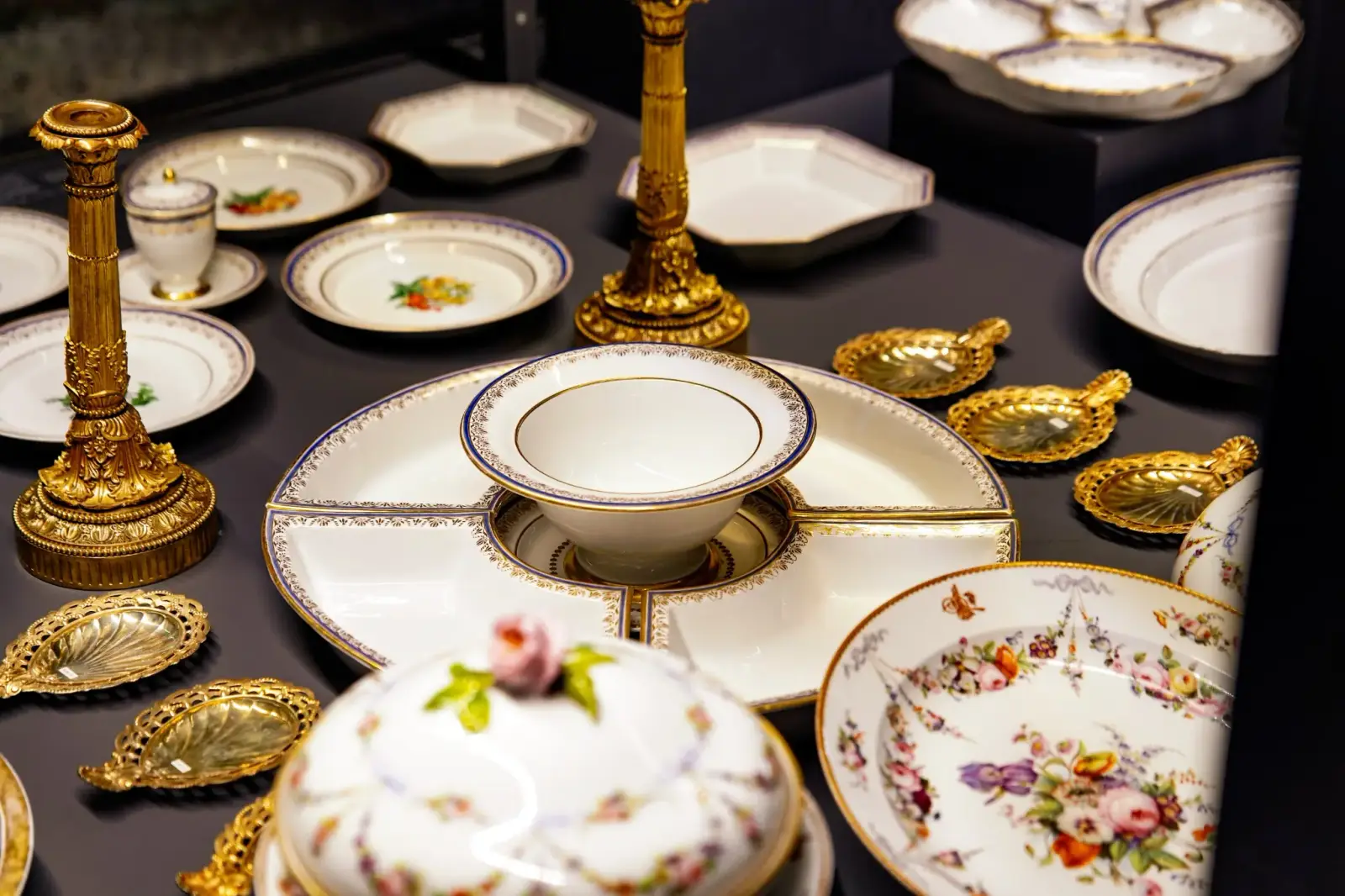
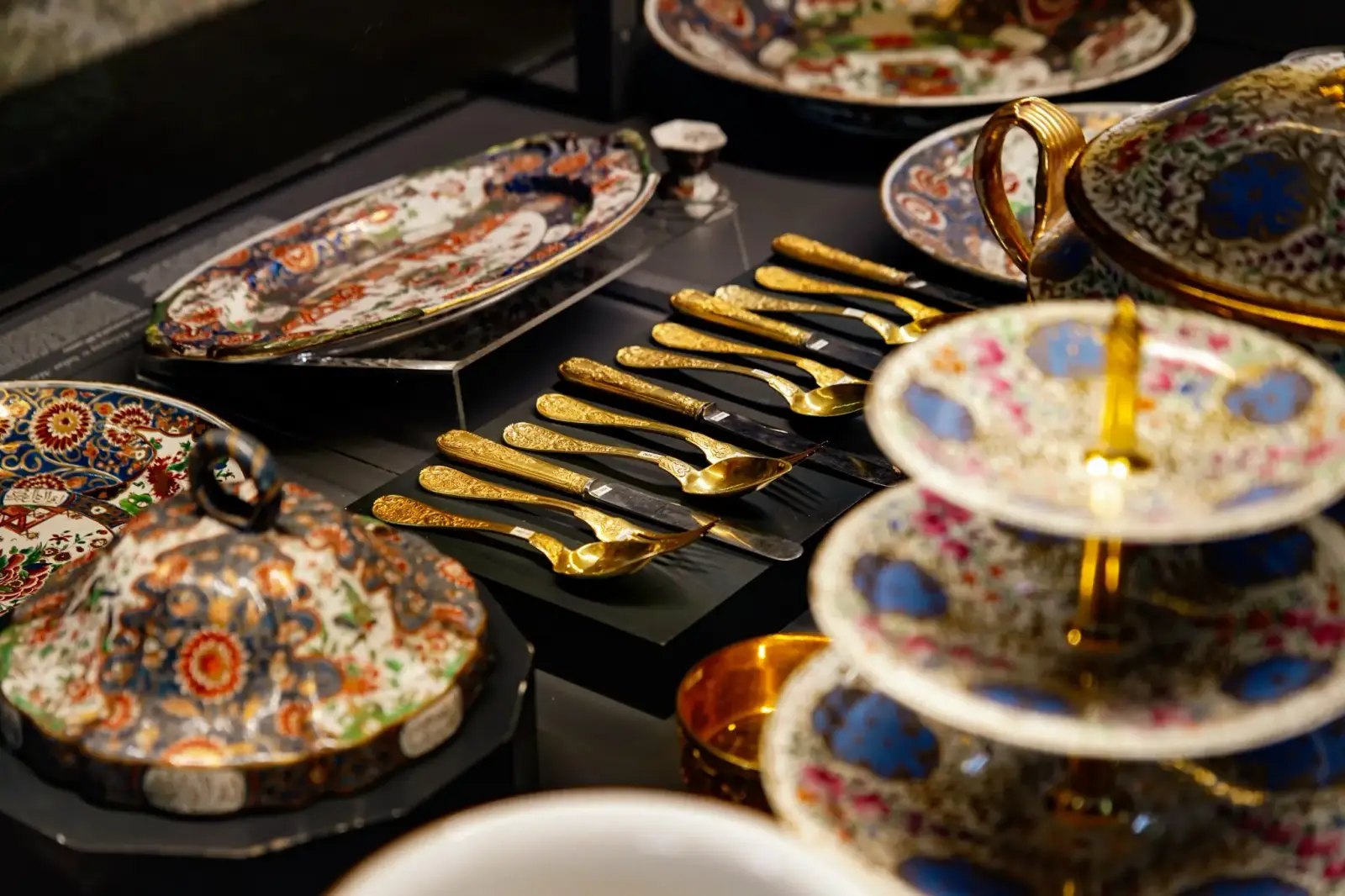
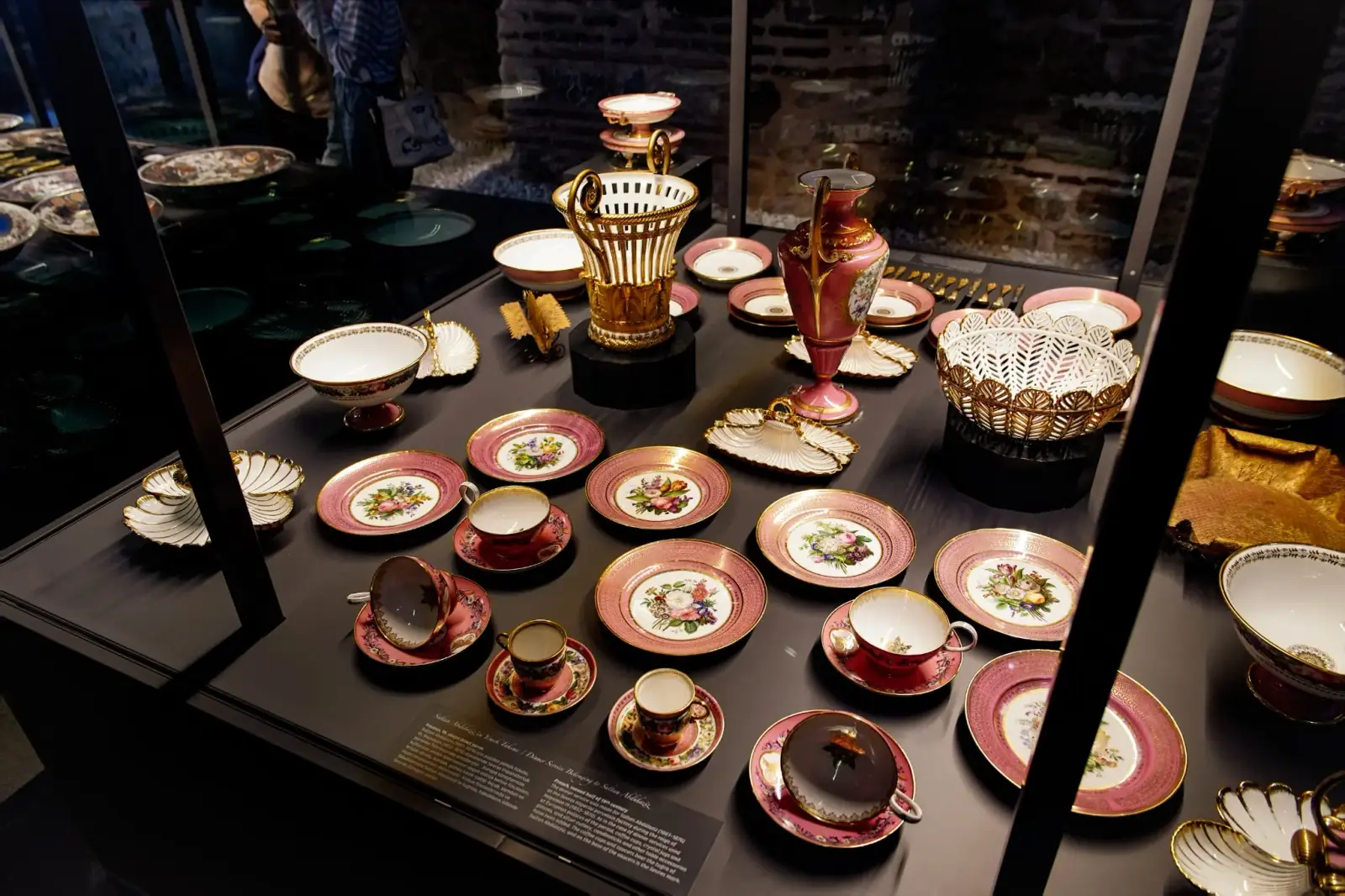
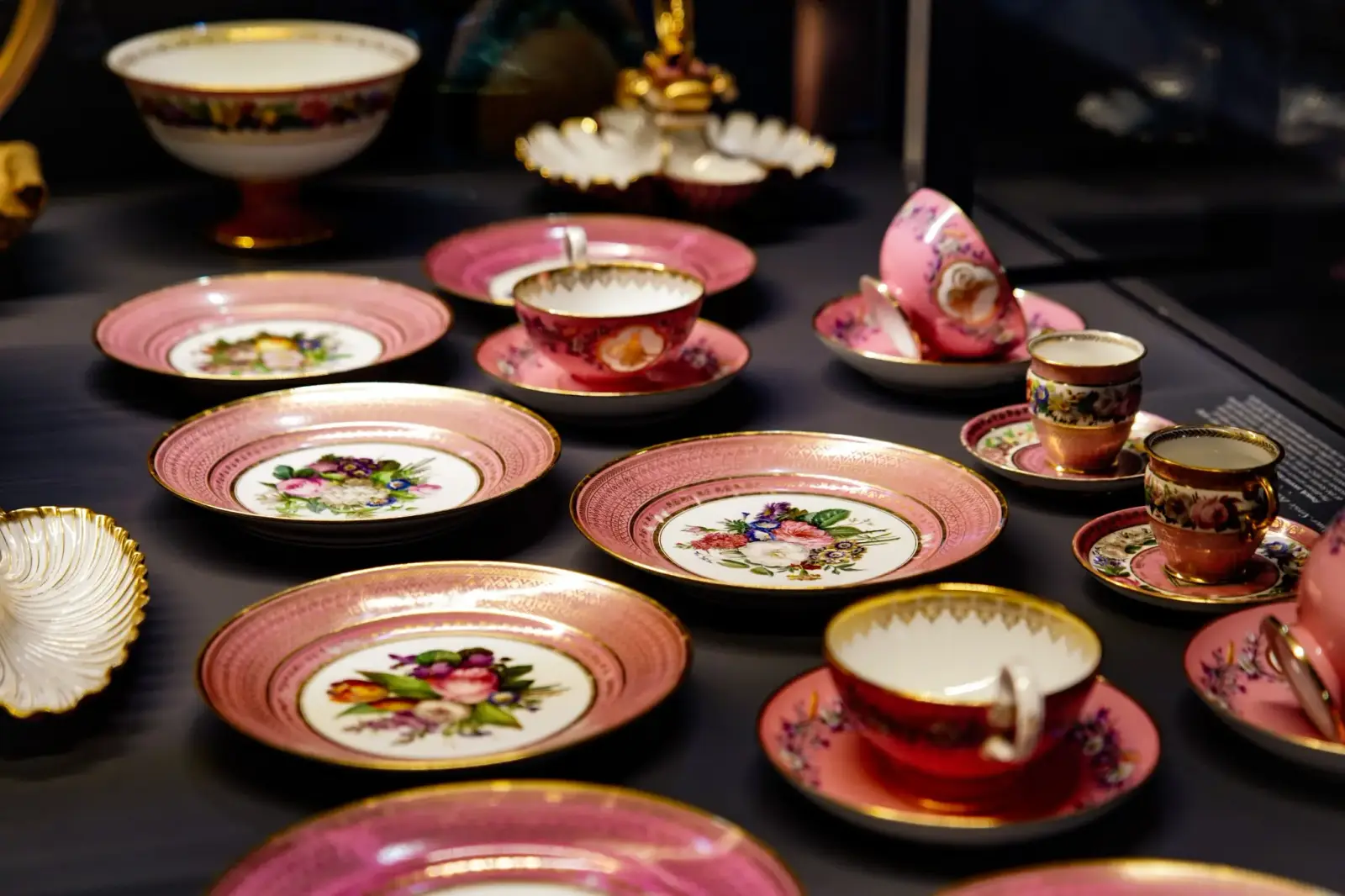
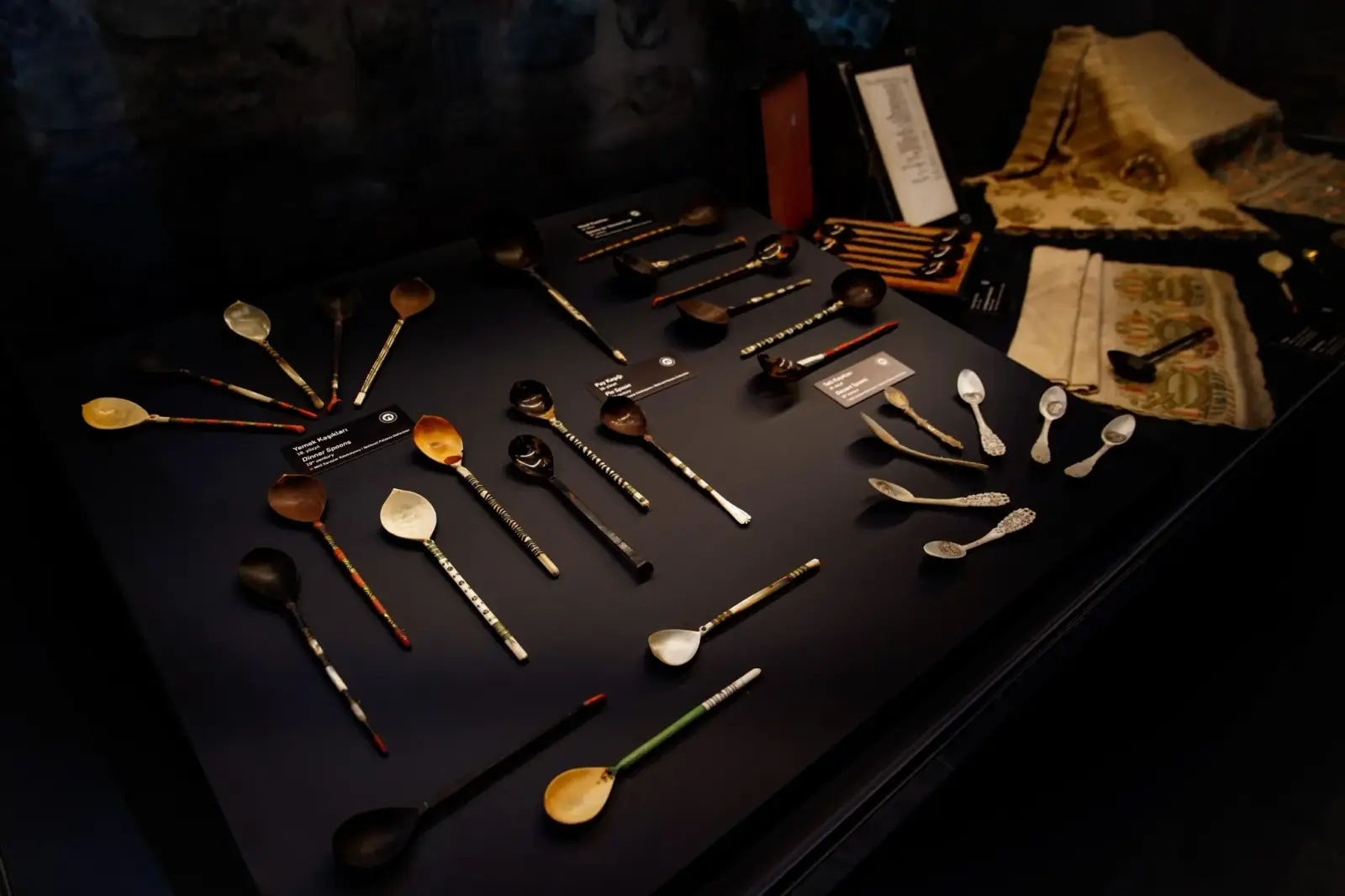
The palace preserves a diverse collection of objects used for dining, hospitality, personal care, religious observance and official ceremonies.
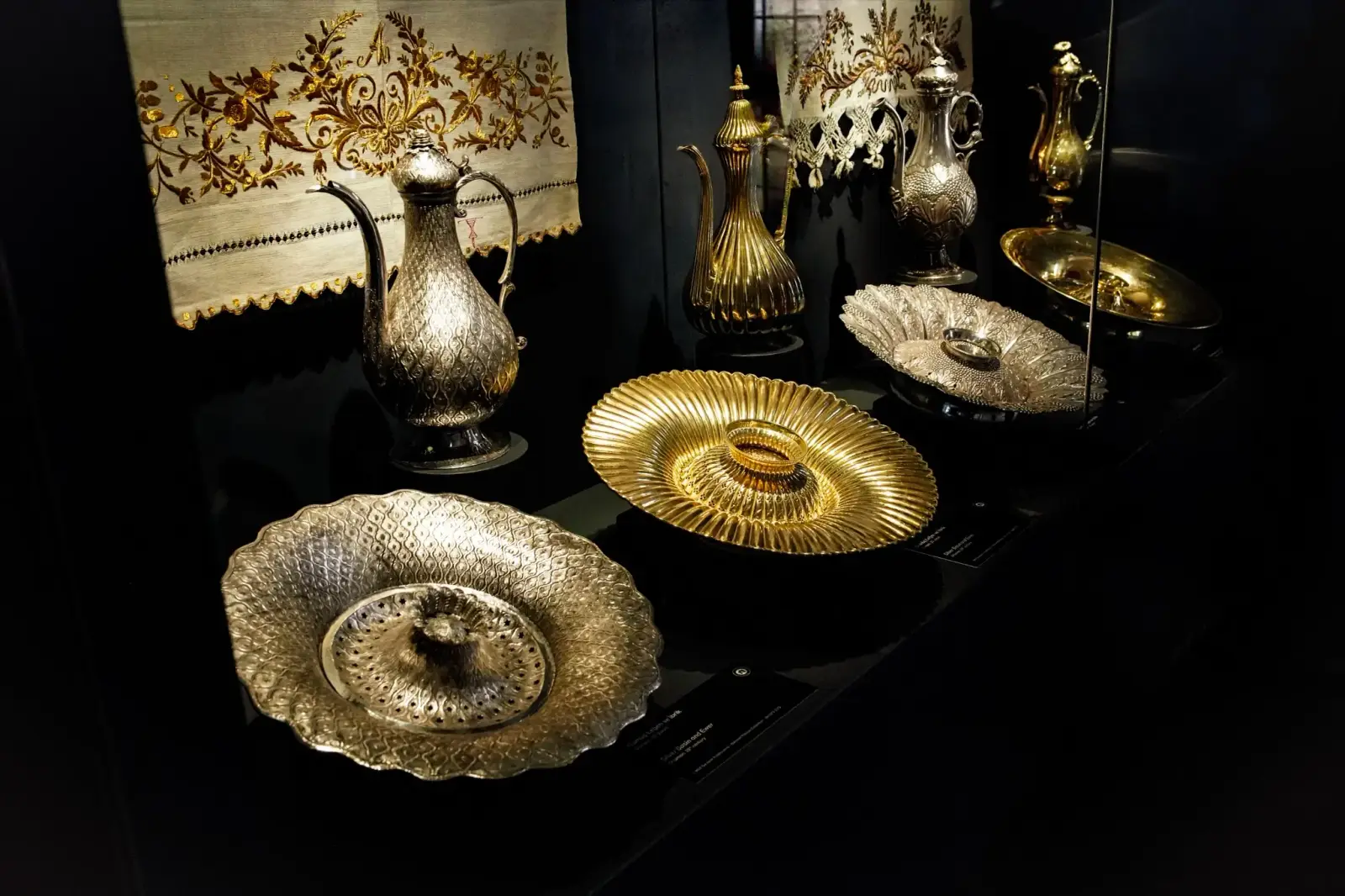
The silver collection includes trays, coffee services, bowls, containers, candlesticks, writing sets and ceremonial objects.
Some pieces were commissioned for palace use, while others were presented to the sultans as diplomatic or commemorative gifts. Silver objects given to Sultan Abdülhamid II on important dynastic anniversaries form a particularly notable group.
Copper vessels were used throughout the palace kitchens and service buildings. The collection includes cauldrons, trays, jugs, bowls and specialised utensils required to prepare food for the extensive imperial household.
Tombac objects were made by applying a thin layer of gold over copper. This technique created the appearance of gold while remaining suitable for large ceremonial and functional objects.
Incense burners, rosewater sprinklers, candlesticks, basins and ewers demonstrate how practical objects could also become works of decorative art.
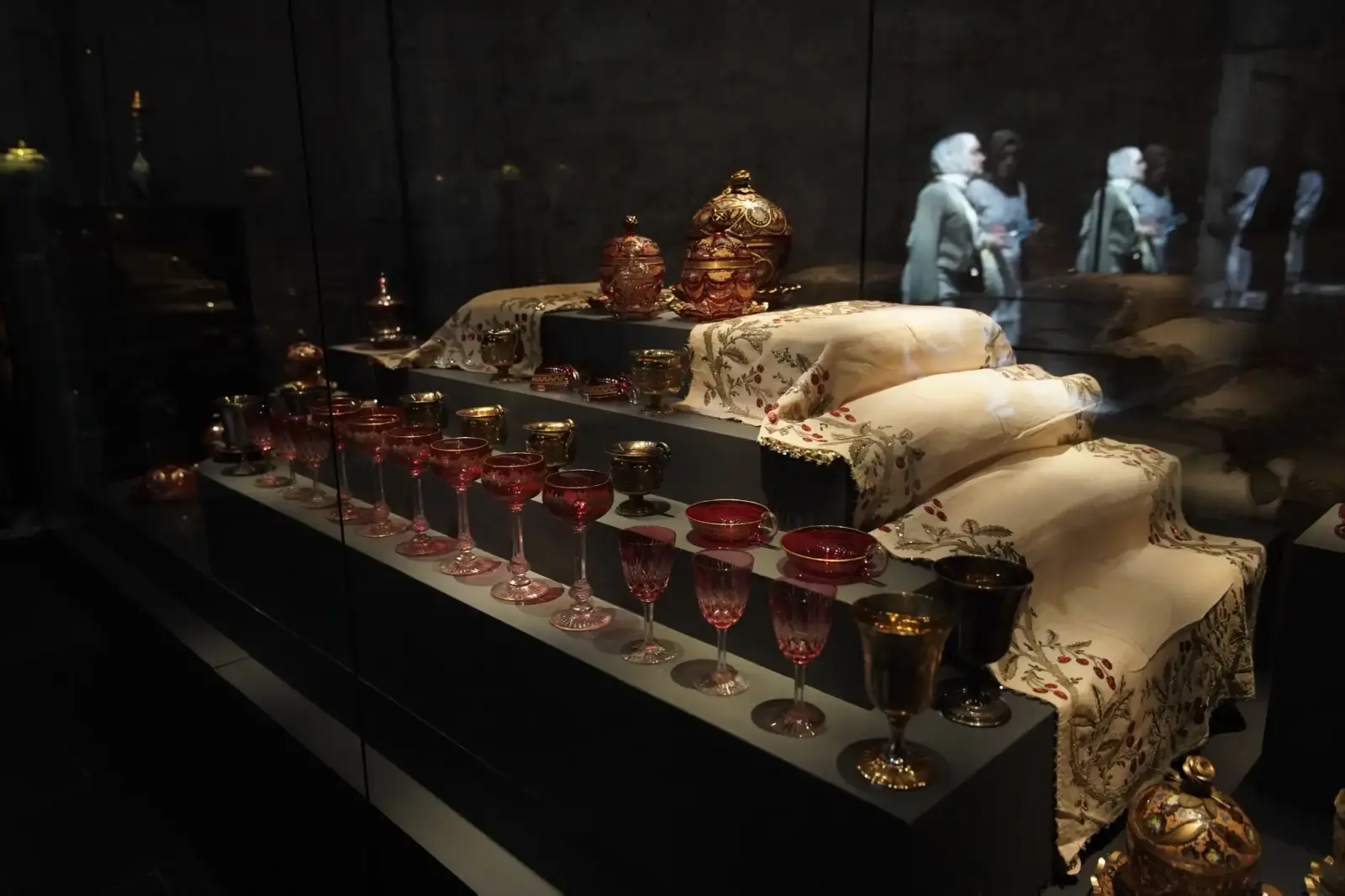
The glass collection includes bottles, goblets, bowls, lamps, mirrors, containers and presentation pieces.
Ottoman-made glass appears alongside imported examples from European workshops. Together, these objects illustrate changing fashions in palace dining, lighting, decoration and ceremonial hospitality.
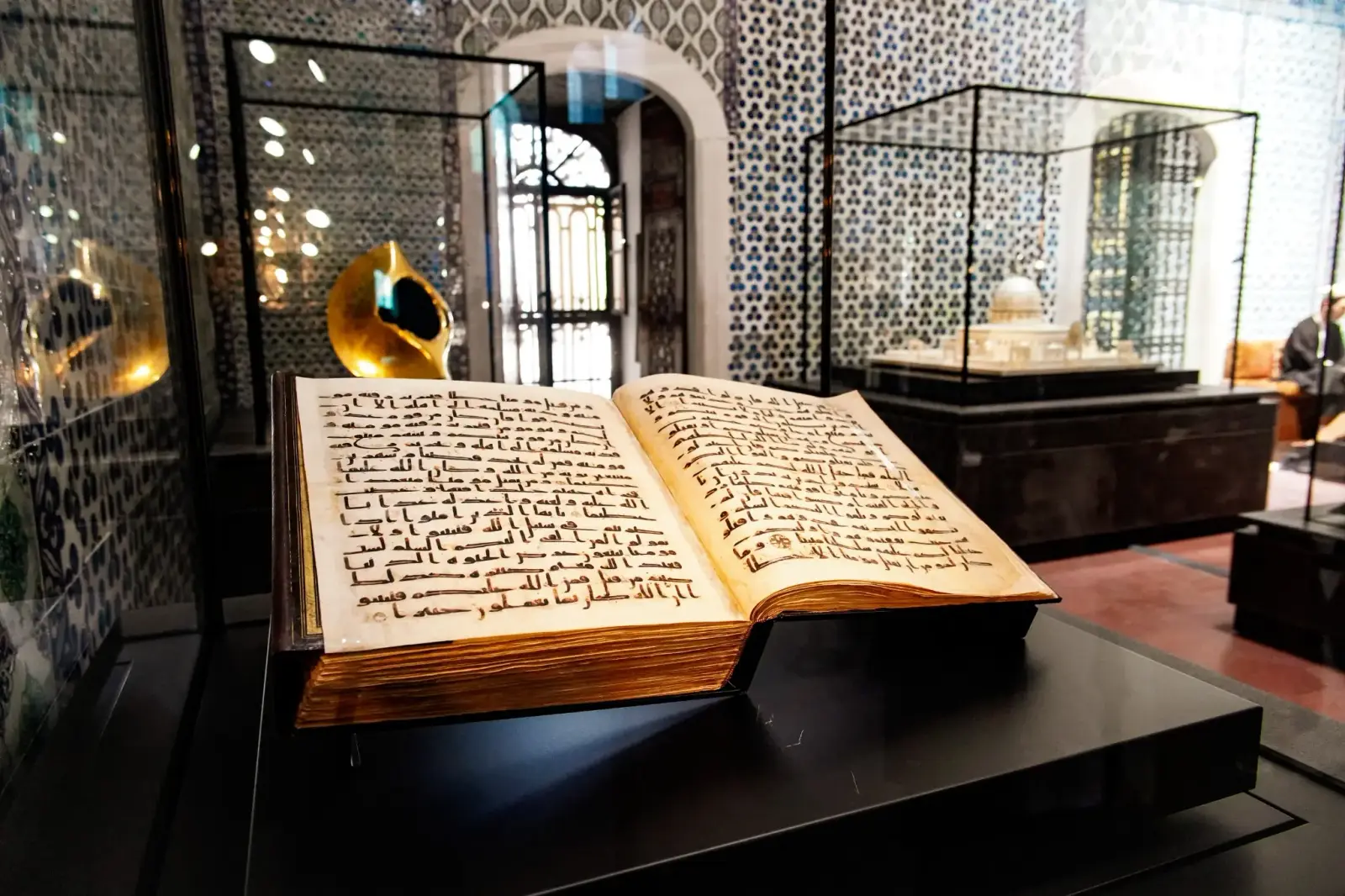
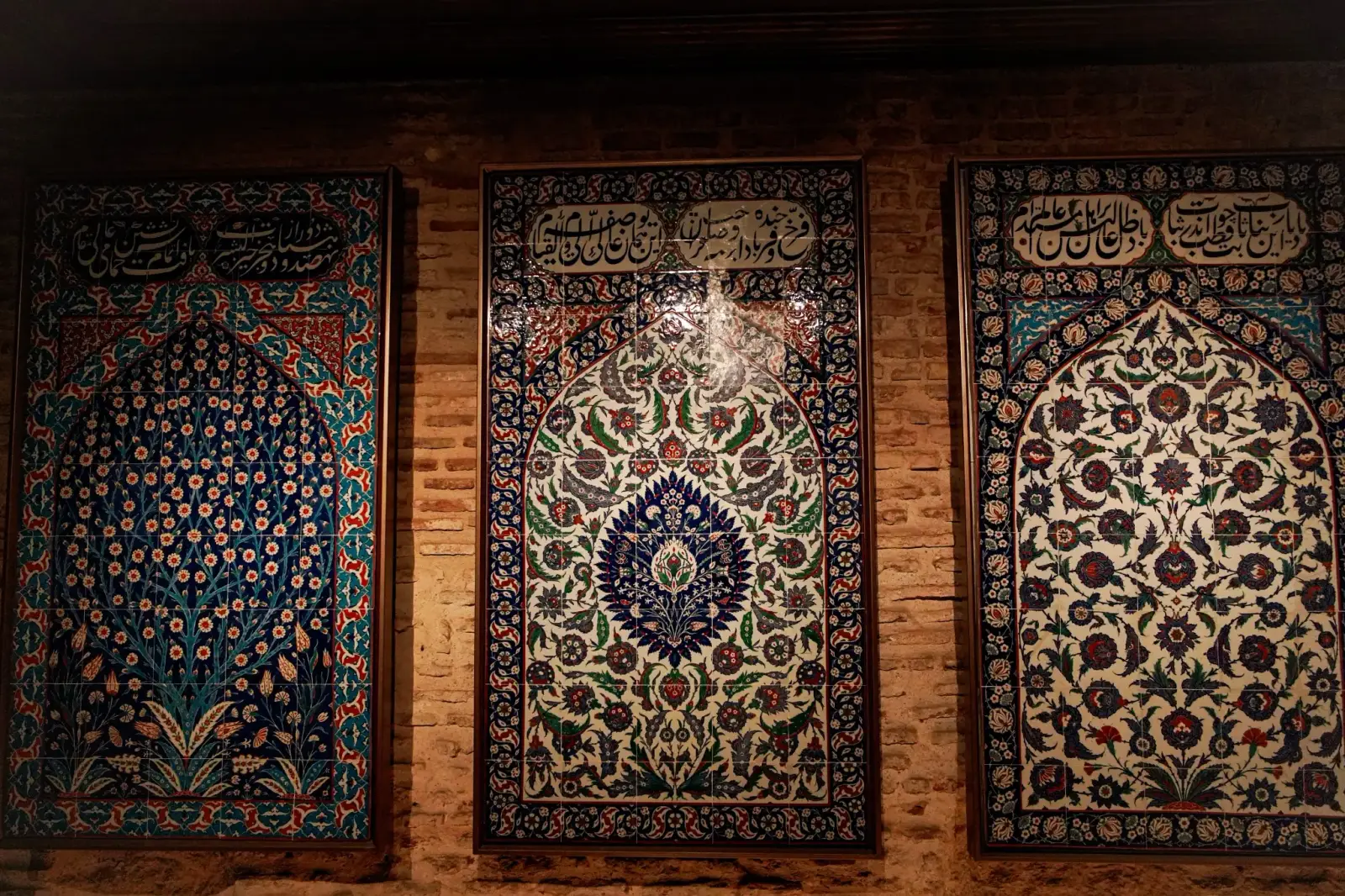
Topkapi Palace preserves manuscripts connected with religion, history, literature, science, geography and imperial administration.
The holdings include illuminated Qurans, historical chronicles, poetry collections, albums, maps and illustrated manuscripts produced in Ottoman, Persian, Arab and other artistic traditions.
Ottoman miniature paintings document events that were not recorded visually in other forms.
Court ceremonies, military campaigns, diplomatic receptions, festivals, processions and scenes of palace life were illustrated by artists working for the imperial atelier.
These paintings provide valuable evidence about architecture, clothing, ceremonial order and the public image of the Ottoman dynasty.
Calligraphy, illumination, marbling, miniature painting and bookbinding came together to transform manuscripts into works of art.
The collection contains works by important calligraphers as well as writing tools and materials associated with the production of manuscripts.
The palace holdings also contain official and personal seals connected with sultans, palace officials and imperial administration.
Seals authenticated documents, protected correspondence and represented the authority of their owners. Because many are closely related to documents and manuscripts, they are best presented within this section rather than as an isolated visitor collection.
Many works on paper remain in protected storage or research collections. Only selected examples can be displayed because prolonged exposure to light may cause permanent damage.
Portraits of Ottoman sultans helped construct and preserve the visual memory of the dynasty.
The collection includes individual portraits, dynastic series, illustrated genealogies, portrait albums and paintings produced by both Ottoman and European artists.
Some portraits emphasise the sultan’s military authority, while others present the ruler as a statesman, patron of the arts or member of an established royal lineage.
European artistic techniques became increasingly influential during the later Ottoman period, creating new approaches to perspective, realism and imperial representation.
The wider painting holdings include palace interiors, landscapes, military scenes, diplomatic events and works commissioned or collected by members of the dynasty.
Not every painting belonging to the Topkapi Palace collection is necessarily displayed within Topkapi Palace. Selected works may appear in other National Palaces exhibitions or remain in conservation and storage.
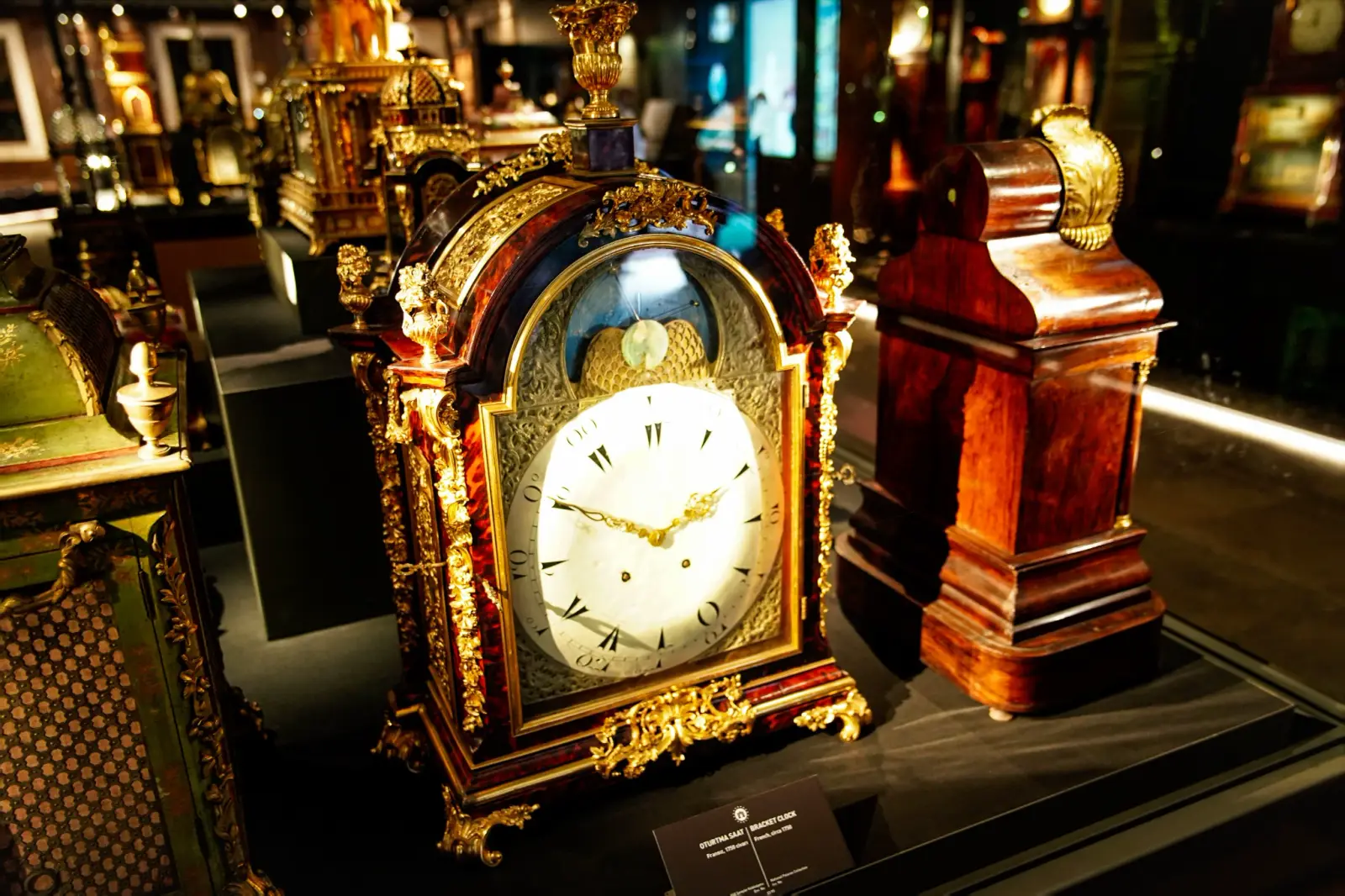
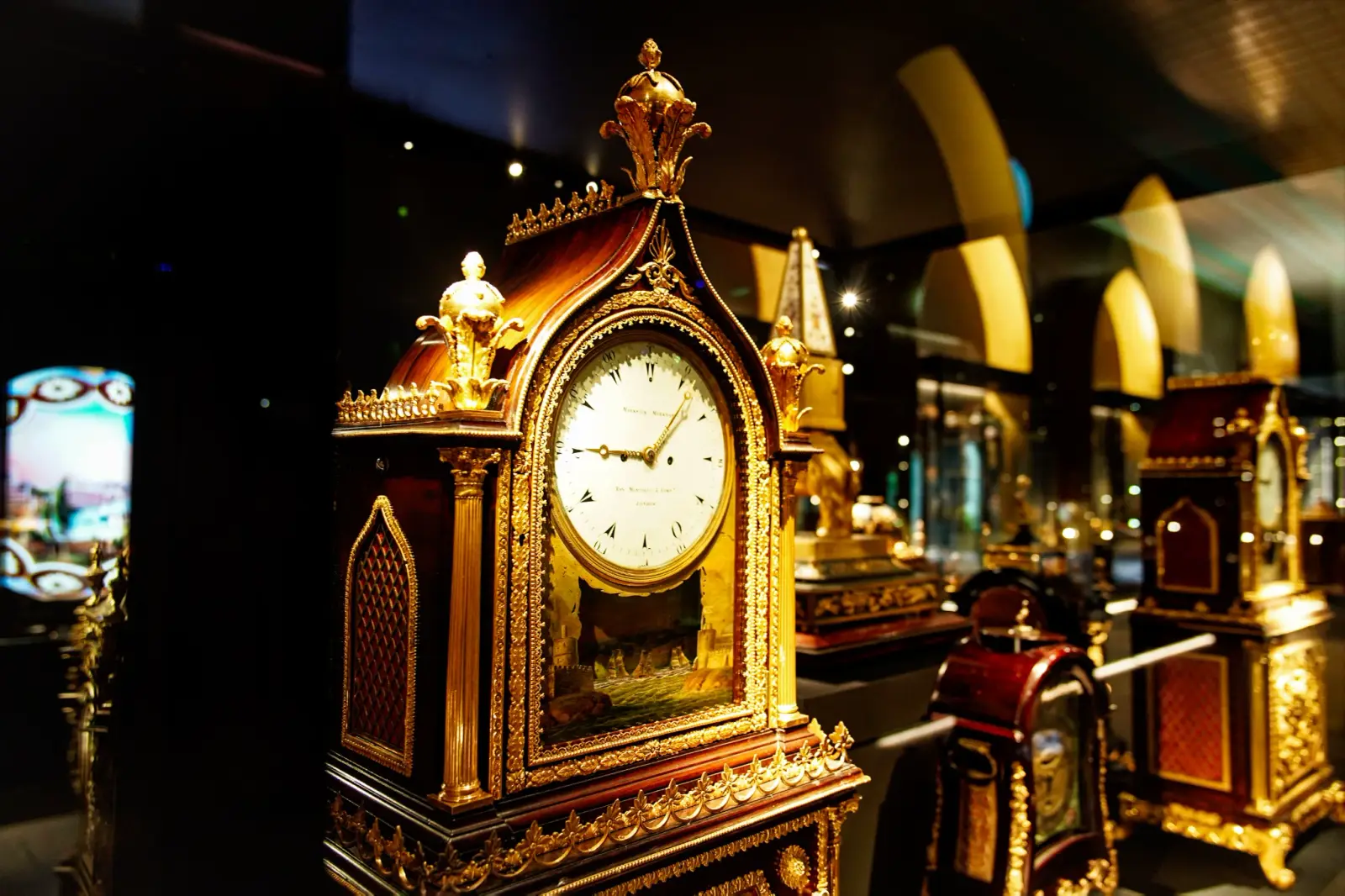
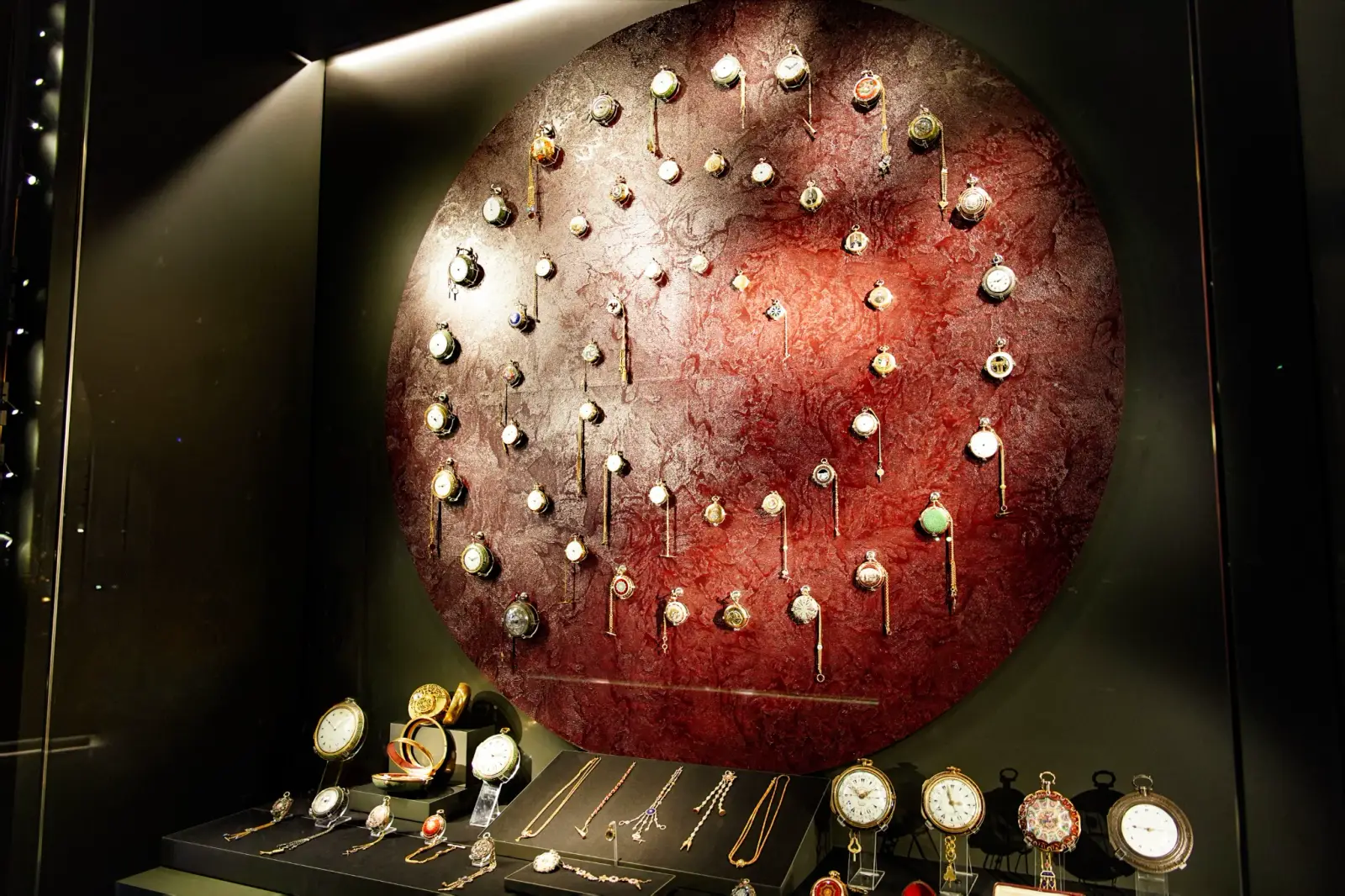
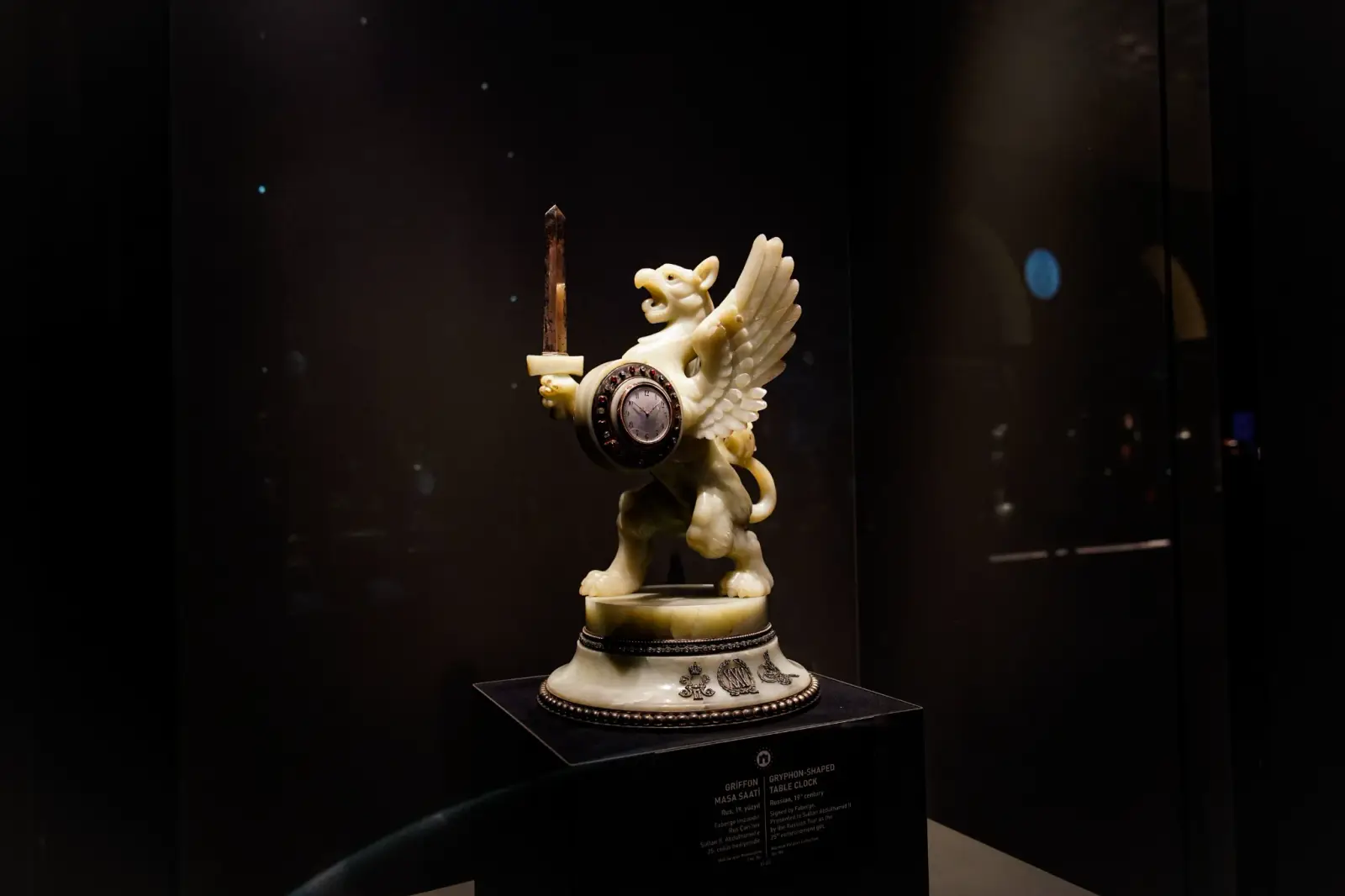
Clocks entered the Ottoman palace as imperial commissions, imported luxury goods and diplomatic gifts from European rulers and ambassadors.
Their cases combine wood, metal, gilding, painting and intricate ornamentation. Some European makers produced clocks specifically for the Ottoman market, adapting numerals, decorative details and mechanical features to court preferences.
The collection illustrates both Ottoman interest in European mechanical technology and the achievements of clockmakers working within the empire.
Display locations and access may change as clocks and instruments undergo documentation, restoration or exhibition preparation.
Horses played an essential role in Ottoman court ceremonies, military processions, hunting expeditions and imperial travel.
The palace collection includes saddles, bridles, stirrups, saddlecloths, reins and ceremonial horse trappings. Many were decorated with embroidery, gilded metal, enamel and precious stones.
These objects transformed the sultan’s horses into highly visible symbols of status and power during public ceremonies.
The collection also includes imperial carriages and equipment connected with palace transportation. Later Ottoman carriages demonstrate how European vehicle design was adapted to the needs and ceremonial traditions of the dynasty.
The Imperial Stables in the Second Courtyard provide the historic setting for understanding this collection, although individual display areas may be affected by restoration or exhibition changes.
Topkapi Palace also preserves an important documentary heritage that differs from the collections normally encountered during a palace visit.
The palace archive contains hundreds of thousands of documents associated with imperial administration and daily palace life.
These include decrees, registers, correspondence, financial records, inventories and documents concerning palace ceremonies, employees, supplies and maintenance.
The archive is primarily a research resource rather than a permanent public exhibition. Access to original documents may require special permission.
The library holdings include Ottoman, Islamic, Byzantine and other manuscripts, together with illustrated albums, non-Islamic works, maps, seals and rare books.
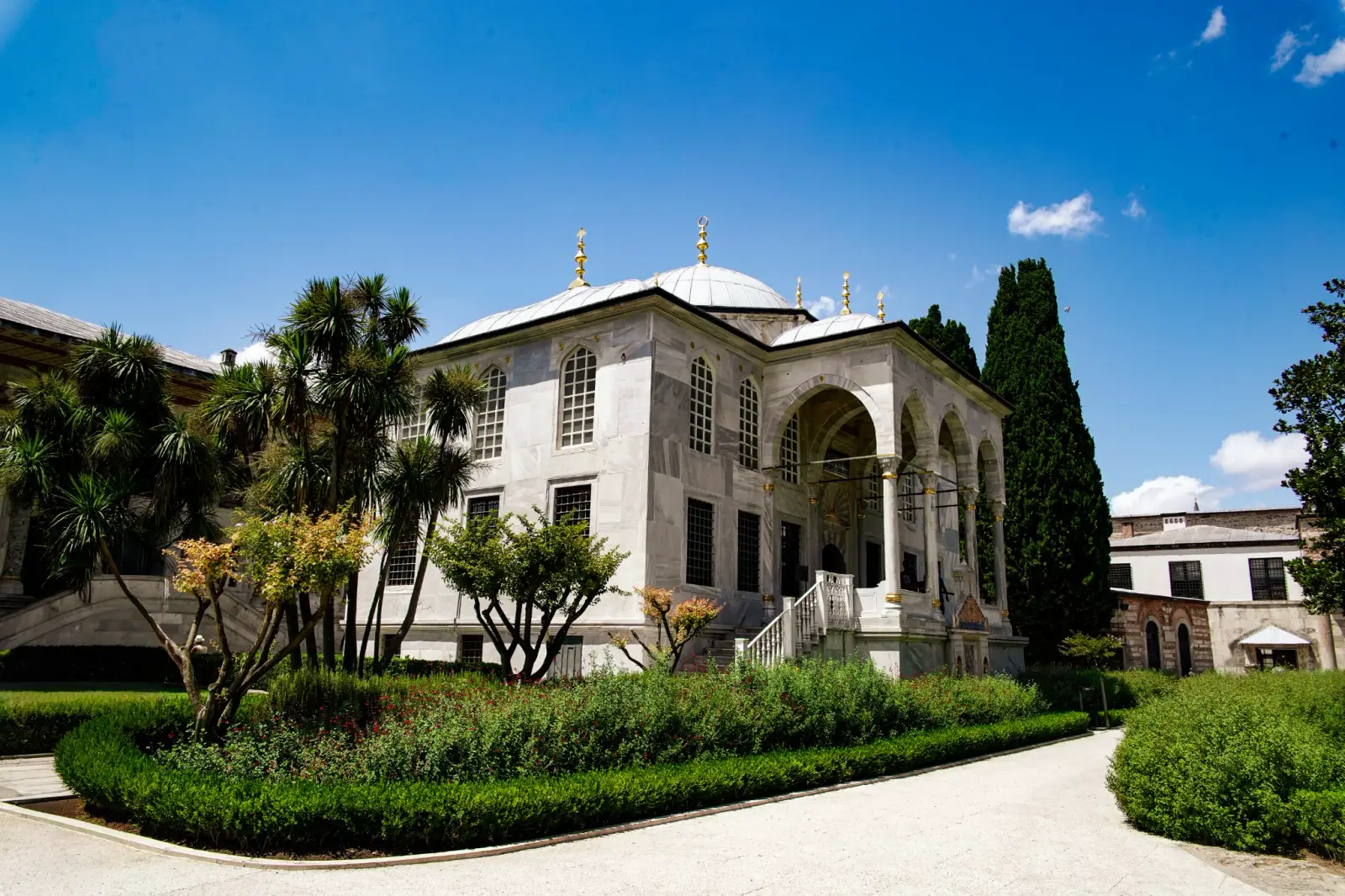
Historic library buildings such as the Library of Ahmed III remain important parts of the visitor route. However, the manuscripts displayed inside the palace represent only a small selection of the library’s complete holdings.
This distinction is important: the library building can be visited as an architectural space, while much of its documentary collection is preserved under controlled research and conservation conditions.
The palace collections developed through several different channels.
Sultans ordered works from architects, artists and craftspeople attached to the palace workshops or working elsewhere in the Ottoman Empire.
Foreign rulers and ambassadors presented valuable objects to the Ottoman court as expressions of respect, alliance or political negotiation.
Porcelain, clocks, textiles, glassware and luxury objects reached the palace through international trade or were purchased for imperial use.
Some arms, ceremonial objects and other works entered the palace following Ottoman campaigns and conquests.
Garments, ceremonial objects and personal possessions connected with deceased sultans were transferred to the imperial treasury and carefully preserved.
Sacred objects associated with Islamic history and the holy cities were entrusted to the protection of the Ottoman dynasty.
These different origins explain why the collections contain objects created across the Ottoman world, Europe, the Middle East, Central Asia and East Asia.
The collections are not housed in a single museum building. They are distributed throughout the palace complex.
The Imperial Treasury and Sacred Relics are located in the Third Courtyard. Arms and armour are associated with the former State Treasury in the Second Courtyard, while porcelain, glassware, silver and palace kitchen objects are displayed in and around the former palace kitchens.
Costumes, portraits, manuscripts and other sensitive objects may be displayed in former dormitories, treasury rooms or temporary exhibition galleries. The Imperial Stables are associated with horse trappings, carriages and specialised exhibitions.
Some galleries may close temporarily for restoration, conservation or exhibition changes. Fragile objects such as textiles, manuscripts and works on paper may also be rotated to protect them from prolonged exposure to light.
Visitors should therefore treat the palace as a changing museum environment rather than expect every collection to be fully displayed during every visit.
Allow approximately 90 minutes to explore the principal collections, in addition to the time needed for the courtyards, Harem, rooms and pavilions.
The Spoonmaker’s Diamond and the emerald-covered Topkapi Dagger are the best-known objects in the Imperial Treasury. The Holy Mantle is the most revered object in the Sacred Relics collection.
No. Both are located in the Third Courtyard, but they occupy separate historic buildings and represent different collections.
The Treasury focuses on dynastic wealth, ceremony and imperial power, while the Sacred Relics hold religious and historical significance.
No. Topkapi Palace preserves far more objects than can be displayed at one time. Some remain in storage, conservation facilities, archives or research collections.
Displays may also change because of restoration, conservation work and temporary exhibitions.
No. The Harem is a separate architectural and residential section of Topkapi Palace.
It contains decorative tiles, furnishings and works of art, but it should not be classified as one of the palace’s principal object collections.
No. Hagia Irene is a historic building in the First Courtyard.
It was used as an imperial armoury and played an important role in the development of museum collections in Istanbul, but it is not itself an object collection.
Chinese, Japanese and European porcelain is primarily associated with the former palace kitchens and nearby exhibition spaces in the Second Courtyard.
Gallery access and individual displays may change.
The palace archives are primarily maintained for academic research and are not part of the standard visitor route. Selected documents may occasionally appear in exhibitions.
Photography rules vary between rooms and exhibitions. Flash photography, tripods and photography in sensitive or religious areas may be restricted.
Always follow the signs and staff instructions inside each gallery.
Allow approximately 60 to 90 minutes for the principal collections. Visitors with a strong interest in Ottoman history, decorative arts, manuscripts or religious heritage may wish to spend longer.
Walk through the courtyards where Ottoman ceremonies once took place and discover the treasures, garments, sacred objects and works of art preserved within Topkapi Palace.
View tickets