
Palace Chronicles
Ottoman history, the architecture of the Seraglio, the life of the court and its treasures — and what to look for when you come to see it.
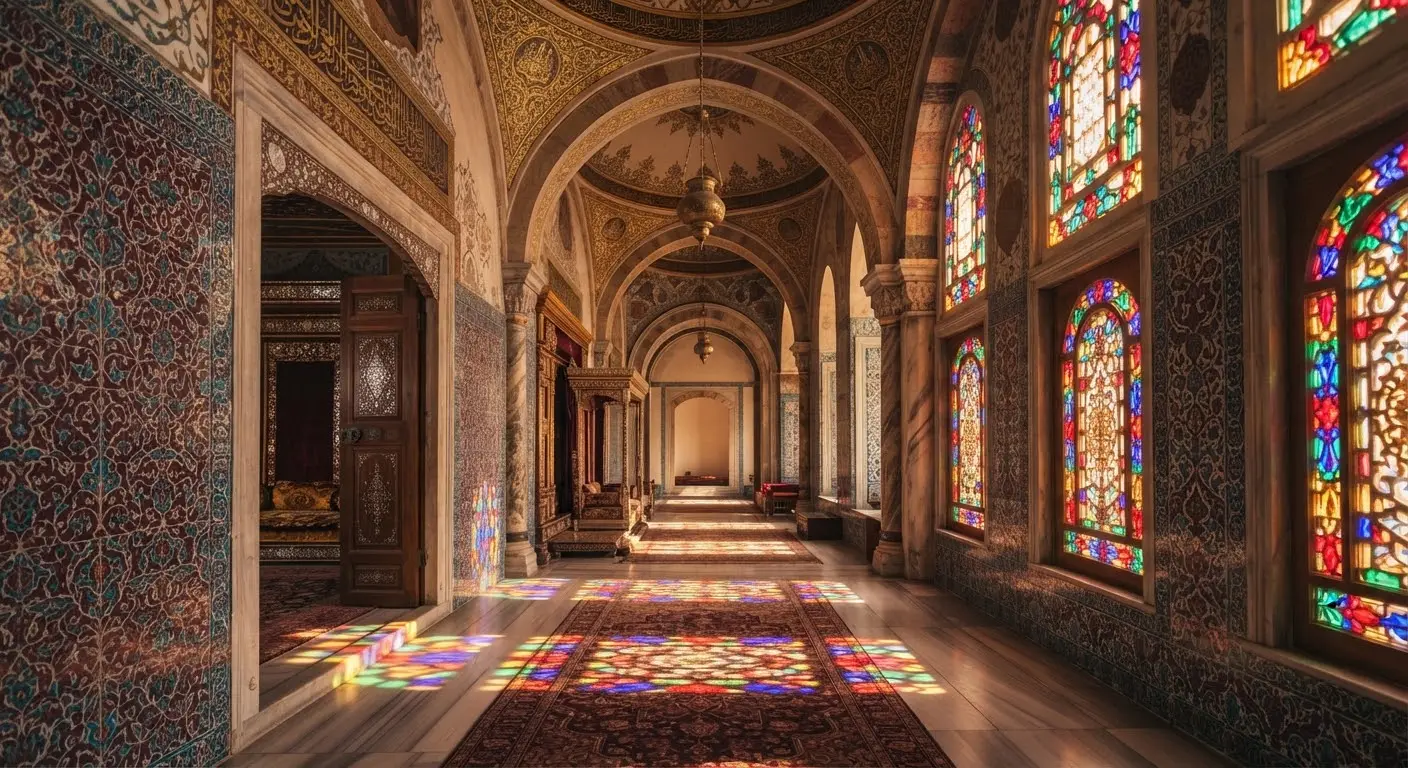
Fascinating Facts About Topkapi Palace You Probably Didn’t Know
Lesser-known facts that go past the harem, the treasury and the view: a Quran recitation unbroken for five centuries, celadon believed to detect poison, and a palace run as a tightly controlled micro-city.
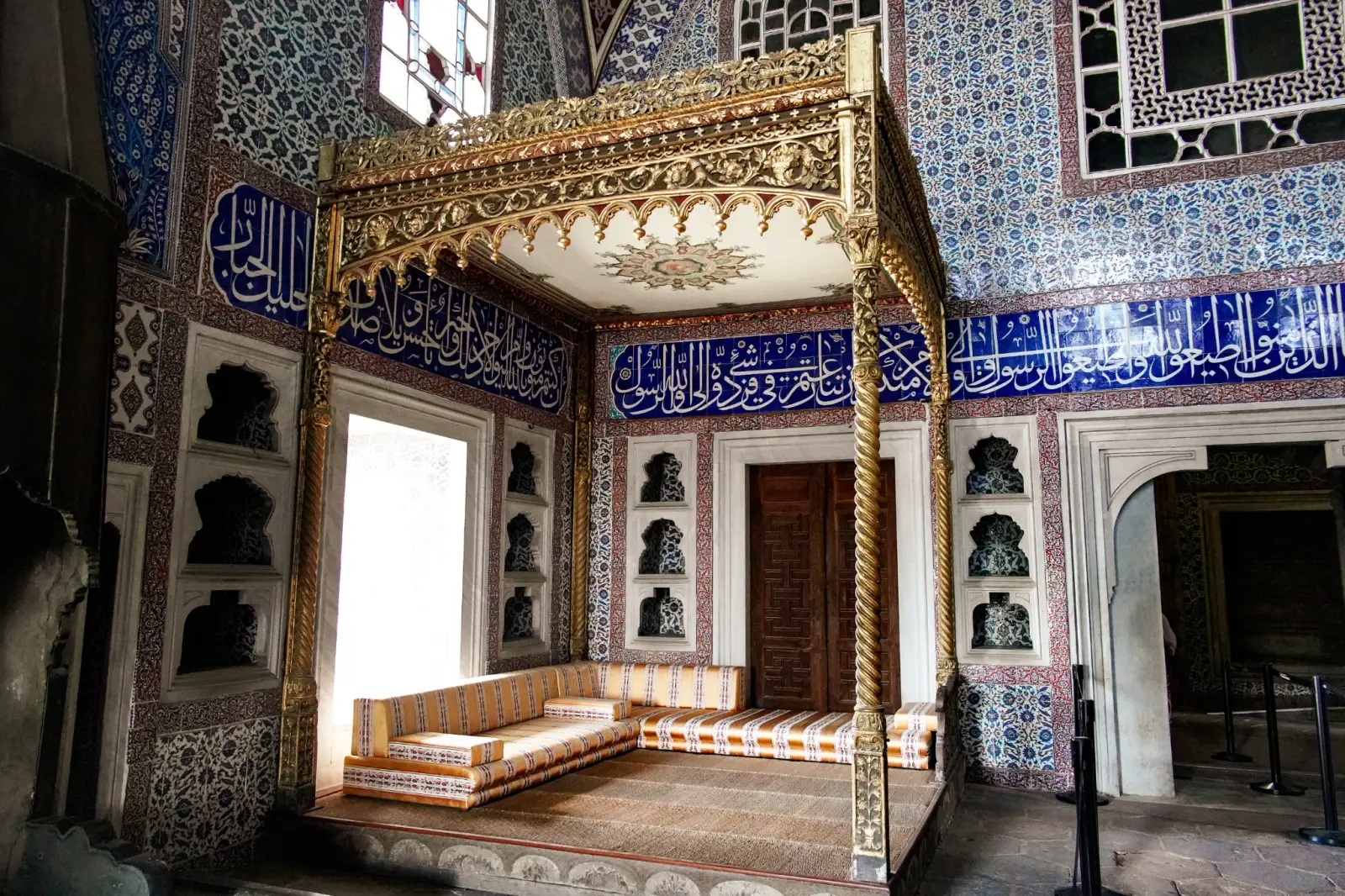
A Day in the Life of an Ottoman Sultan at Topkapi Palace
From the attendant who woke him before first light to the last prayer of the night — the ablutions, the councils, the two meals and the ceremony that shaped every hour in the private apartments.
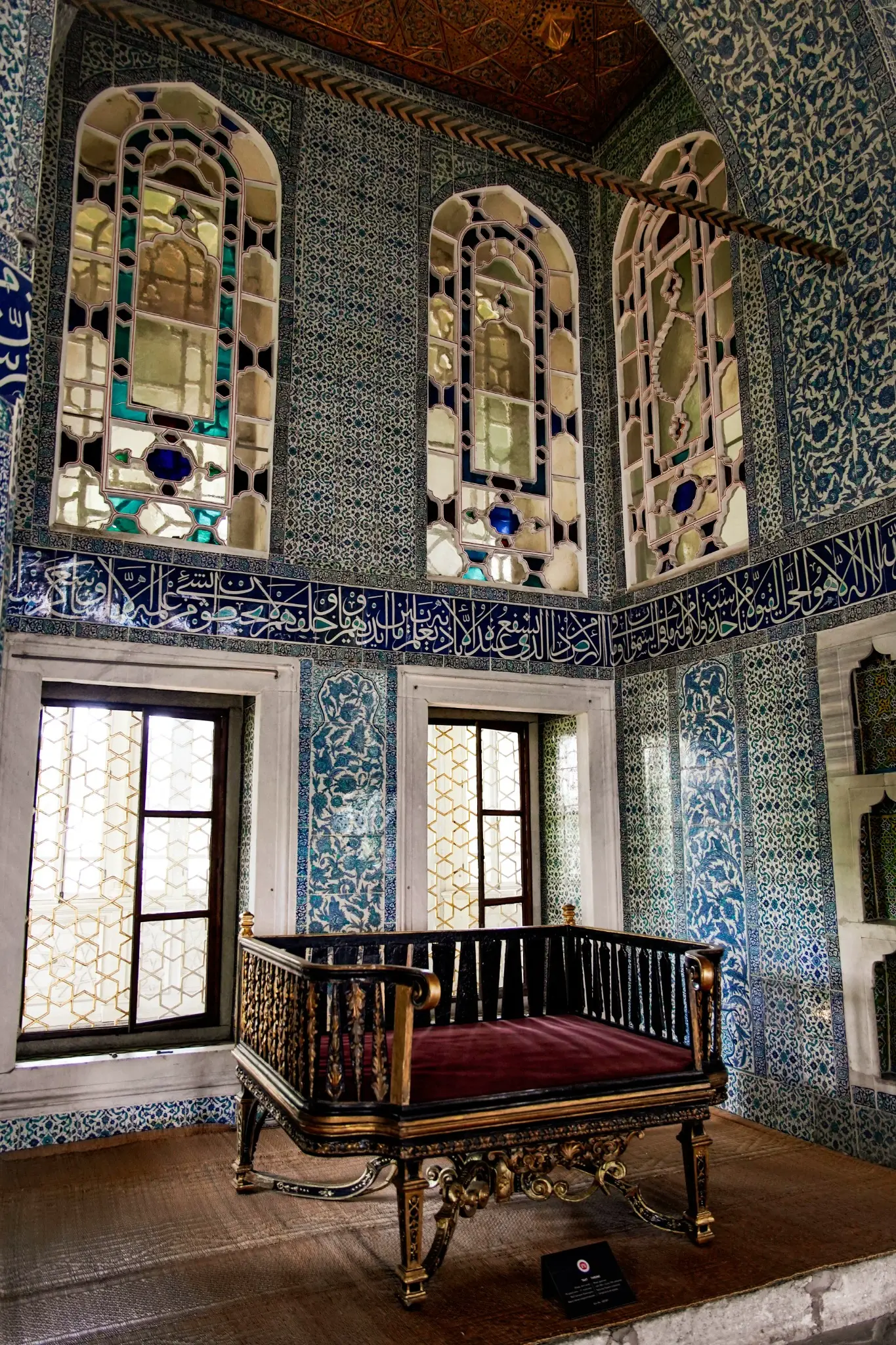
What Was Life Really Like Inside the Topkapi Palace Harem?
Not the sensual playground of Western fantasy but a disciplined household and school of several hundred people: the sultan’s mother, his consorts, their children and the staff who ran it.
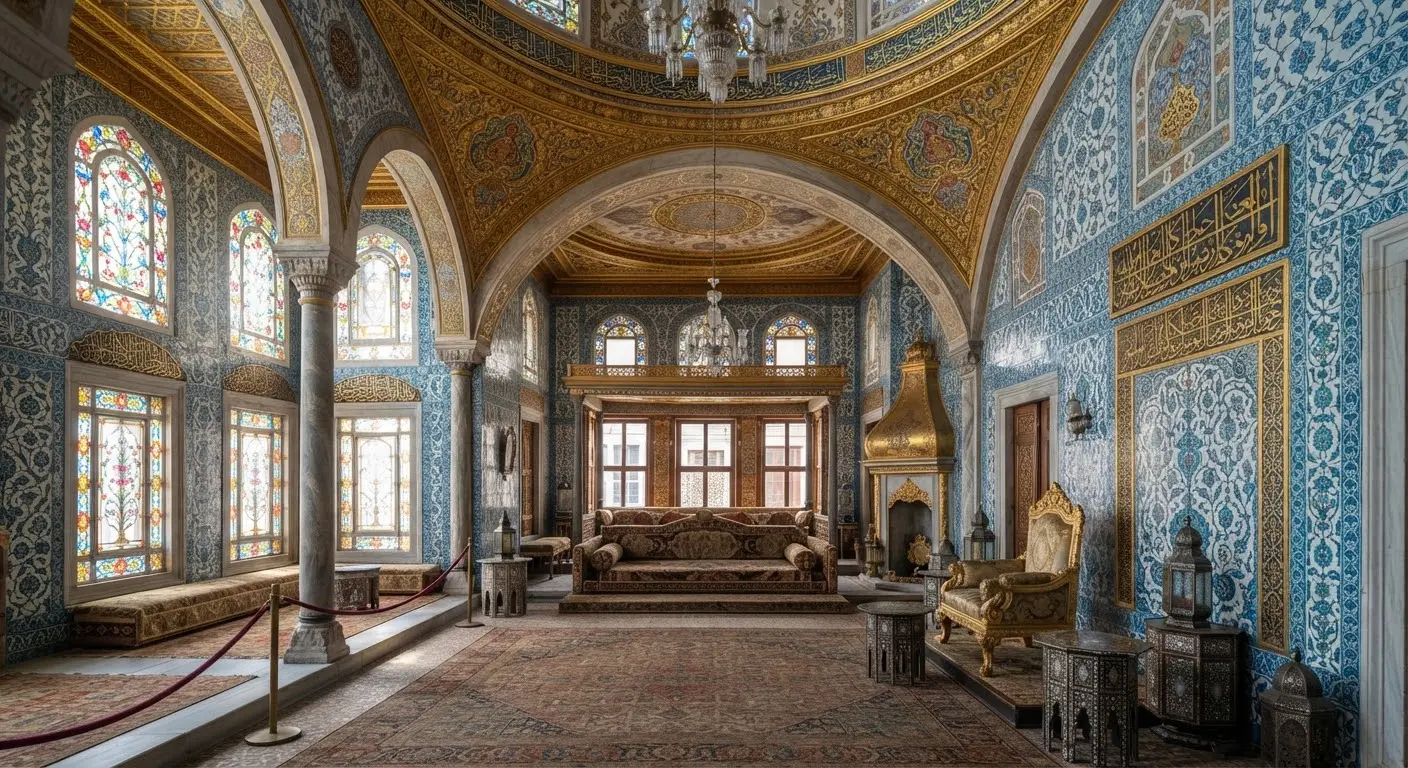
The Most Powerful Women Who Lived in Topkapi Palace
Kösem, Hürrem, Nurbanu, Safiye and Turhan — five women whose hold over the court, the treasury and the succession outlasted most of the sultans they served.
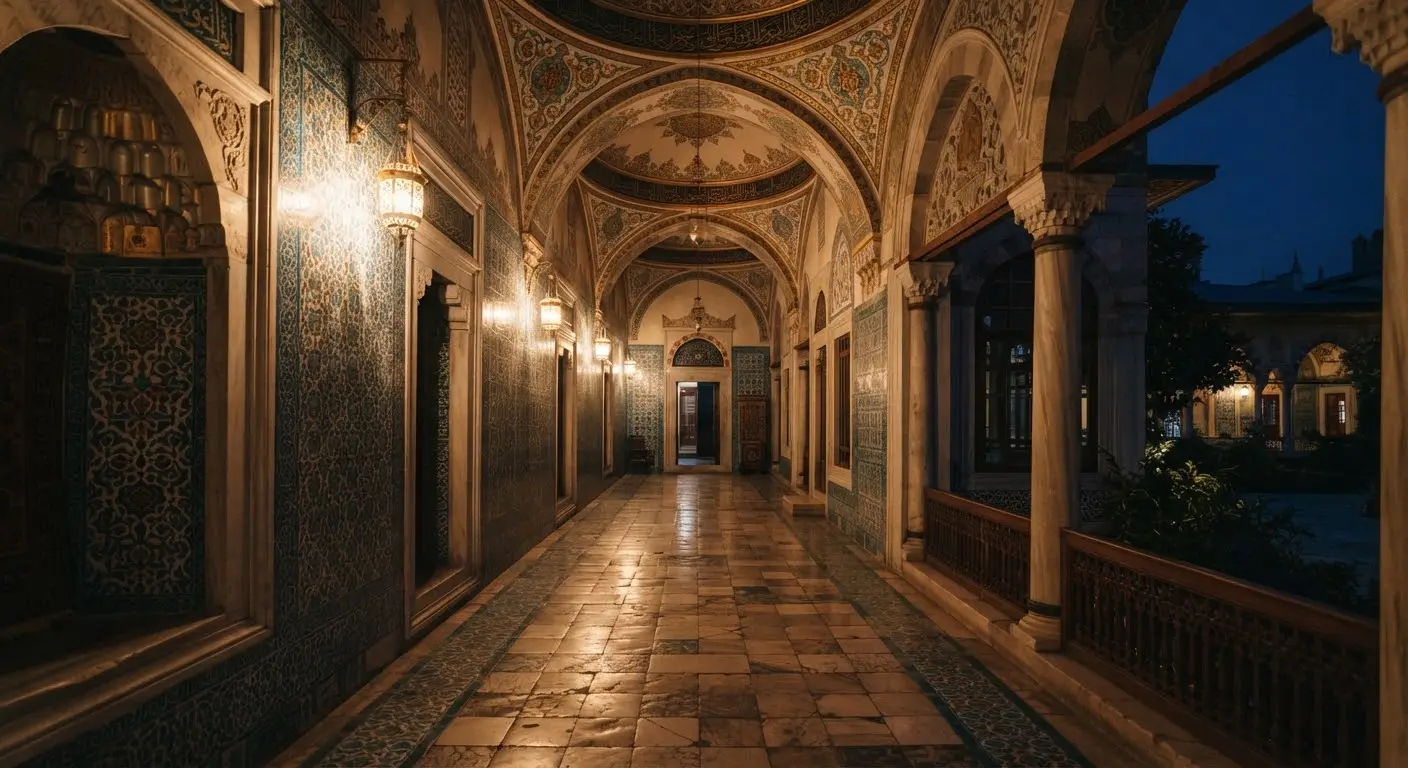
Secrets of the Imperial Harem: Beyond the Myths
Orientalist painting invented an idle world of intrigue. The records show a strict hierarchy, a working household, and a route to real political power for a very few.
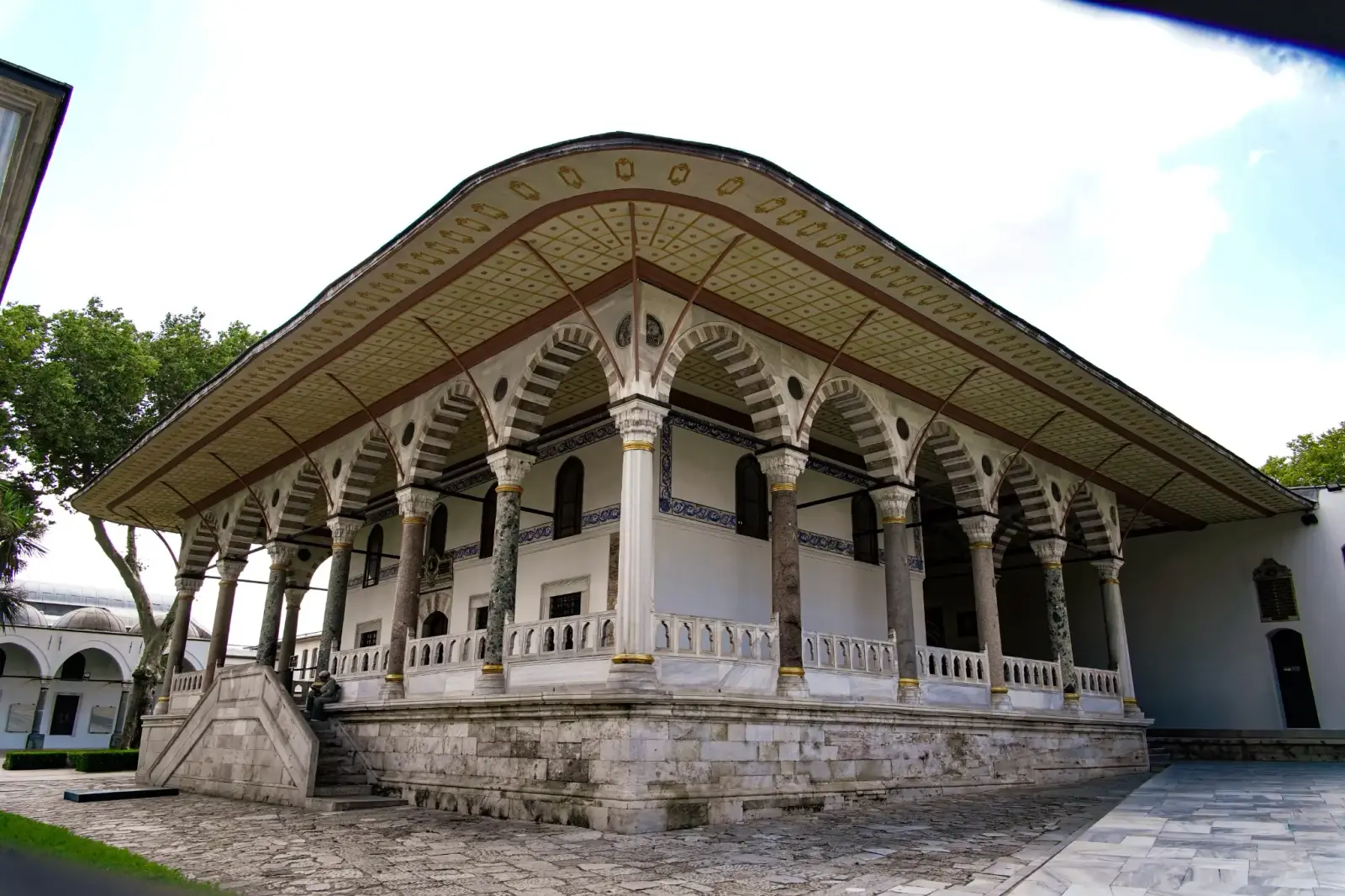
Ottoman Sultans who Called Topkapi Palace as Home
For nearly four centuries the palace on the old Byzantine acropolis was both residence and seat of government. The sultans who lived in it, from Mehmed II to Abdülmecid I.
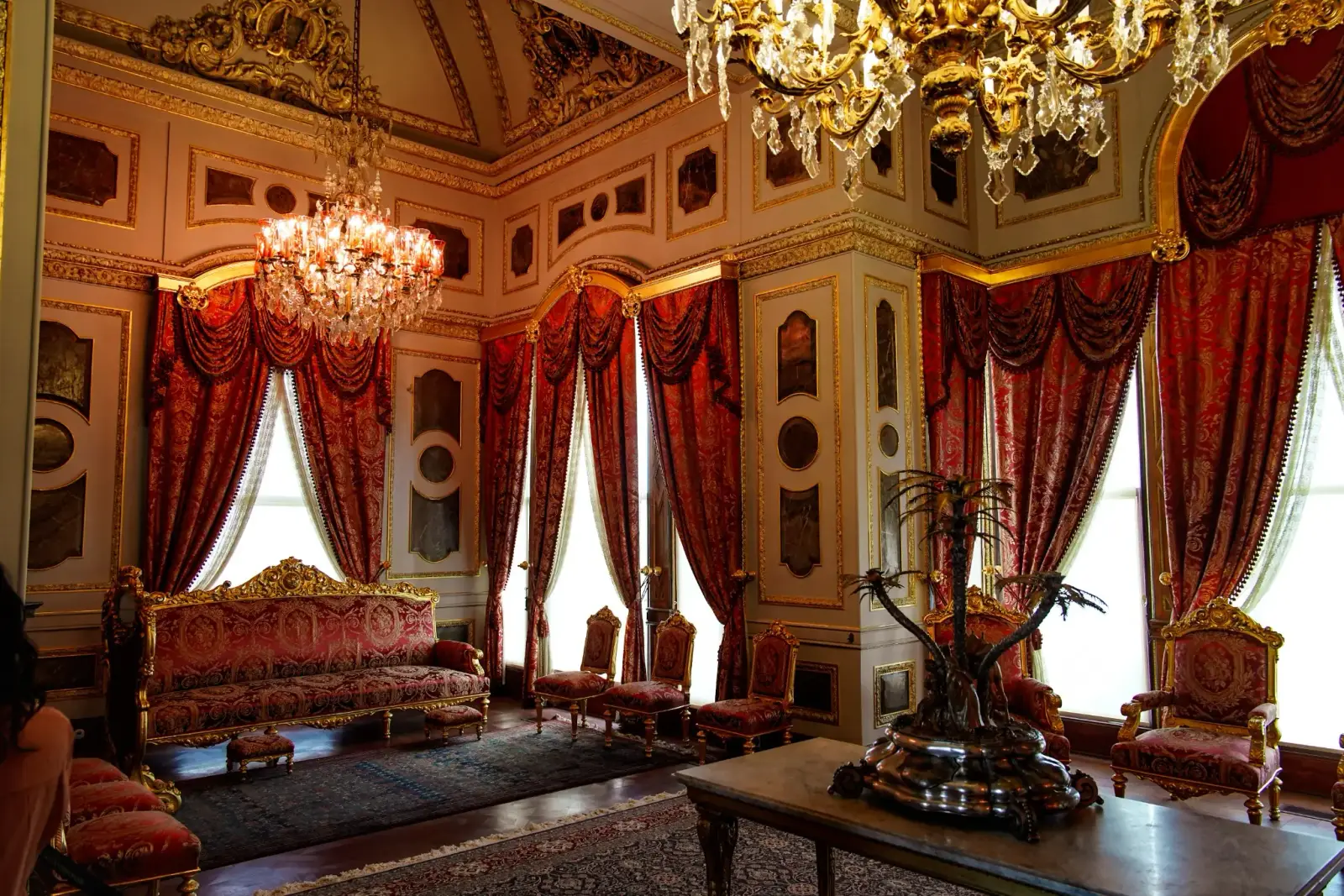
Why the Ottoman Sultans Moved from Topkapı to Dolmabahçe Palace
In 1856 Abdülmecid I moved the court to the Bosphorus. Not a change of address: a Tanzimat-era statement about what kind of state the empire now meant to be.
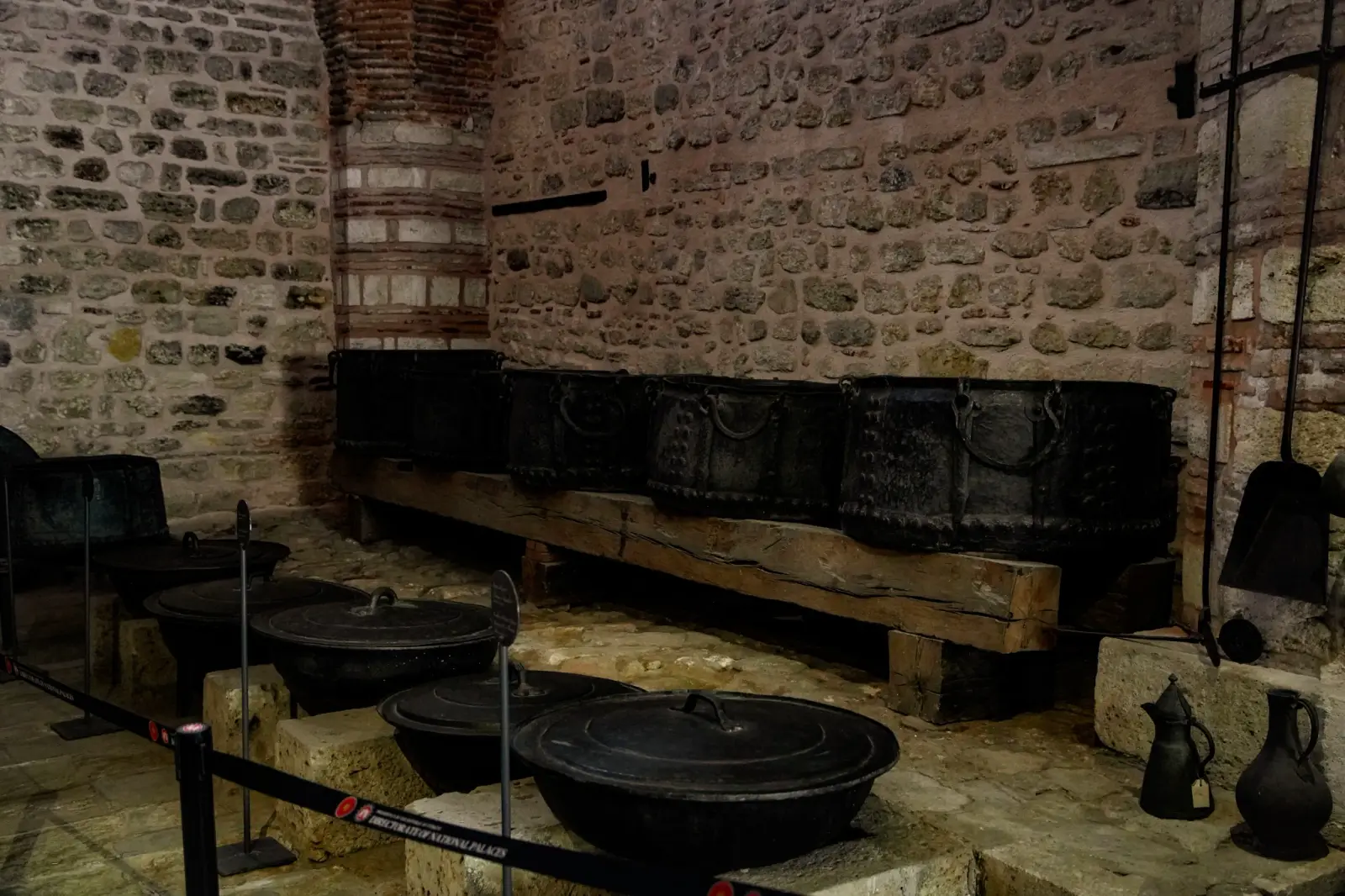
The Imperial Kitchens of Topkapi Palace: Feeding an Empire
Ten specialised cooking units under conical chimneys, 5,250 square metres, and four to five thousand meals a day — rebuilt by Mimar Sinan after the fire of 1574.
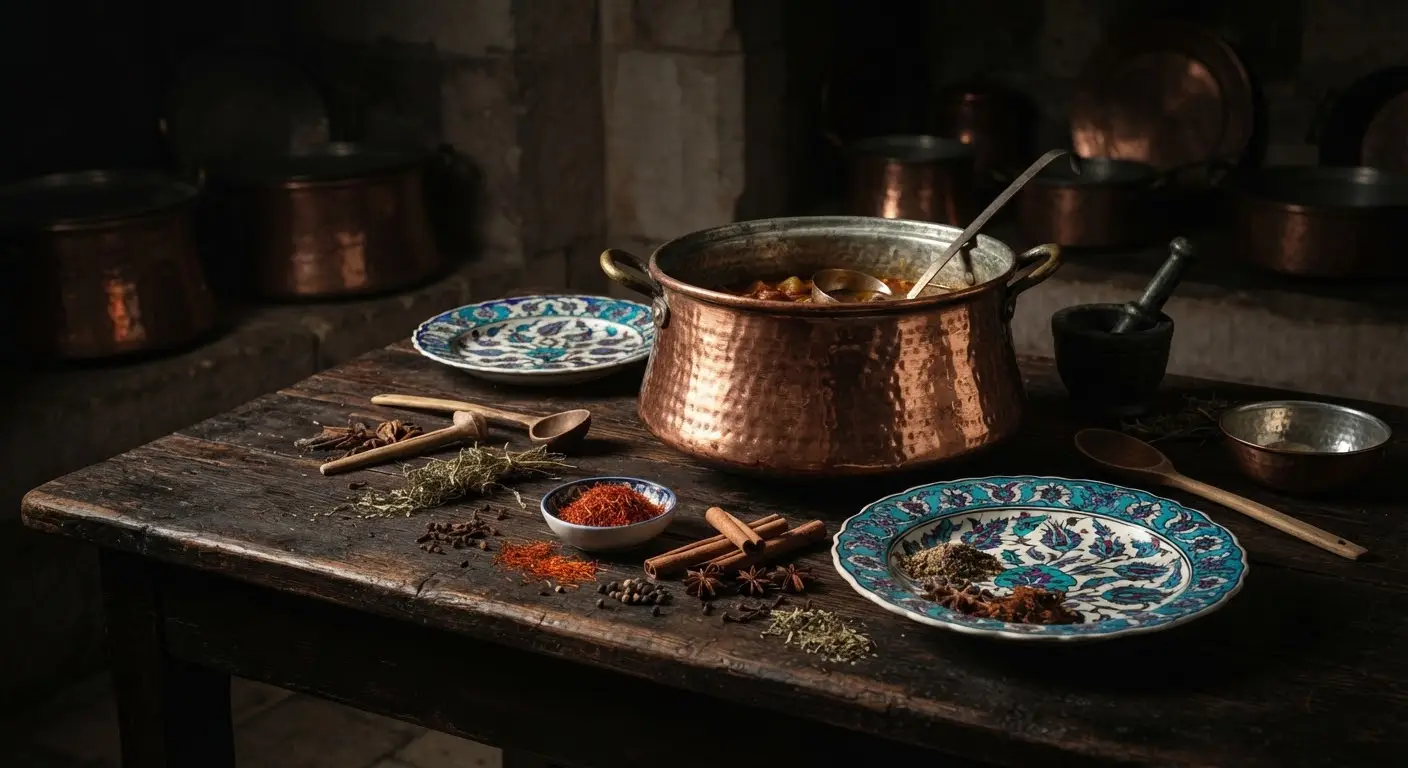
What Did Ottoman Sultans Eat at Topkapi Palace?
Cooked in the Kuşhane, tasted by the çeşnicibaşı, sealed and carried to a sultan who usually ate alone. Lamb, pilaf and sherbet — and no tomatoes or peppers in the classical period.
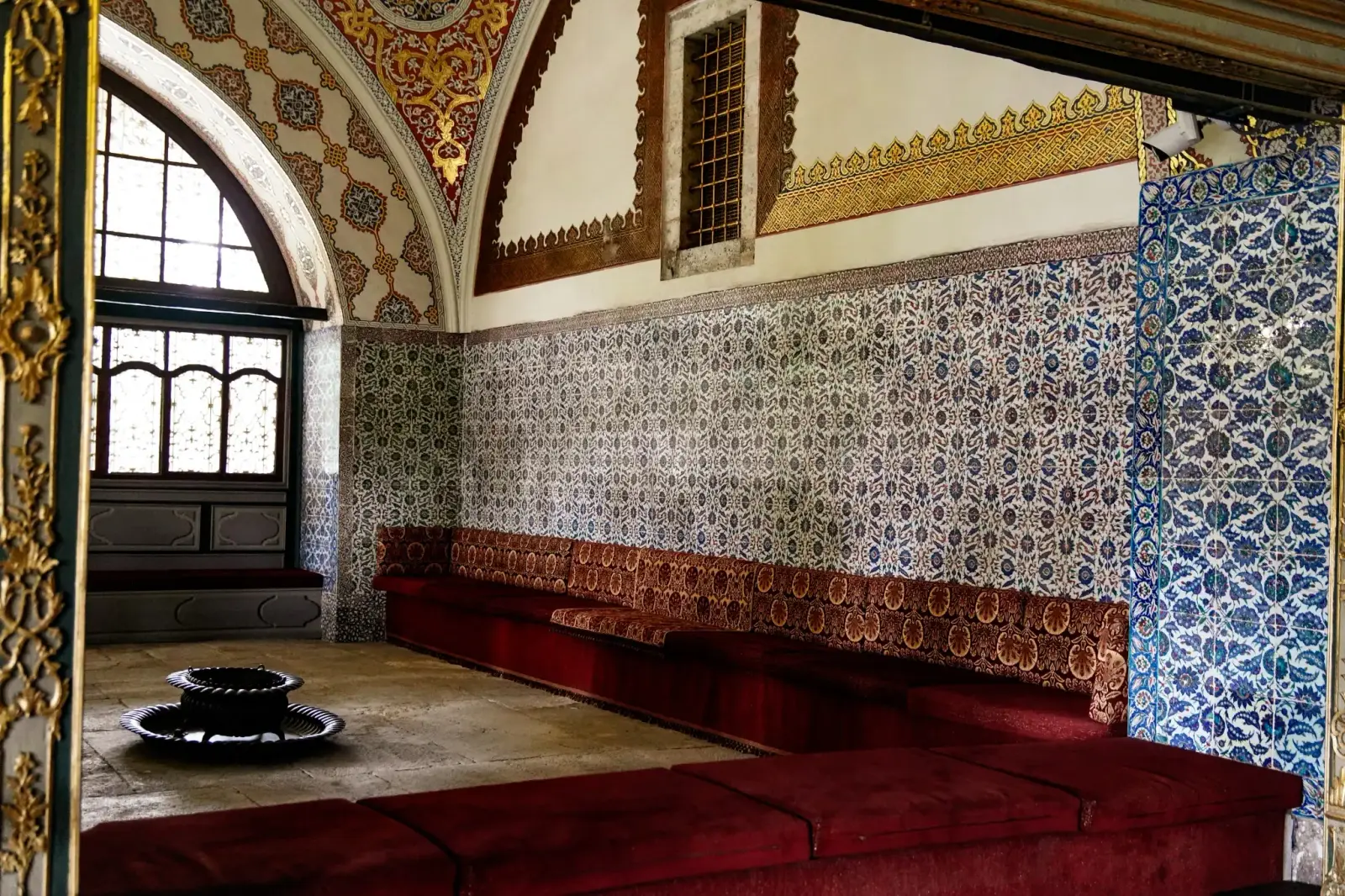
The Imperial Council (Divan-ı Hümayun) at Topkapı Palace
The empire’s cabinet and highest court, meeting under the Kubbealtı in the Second Courtyard — with the sultan listening from a grilled window above rather than sitting at the table.
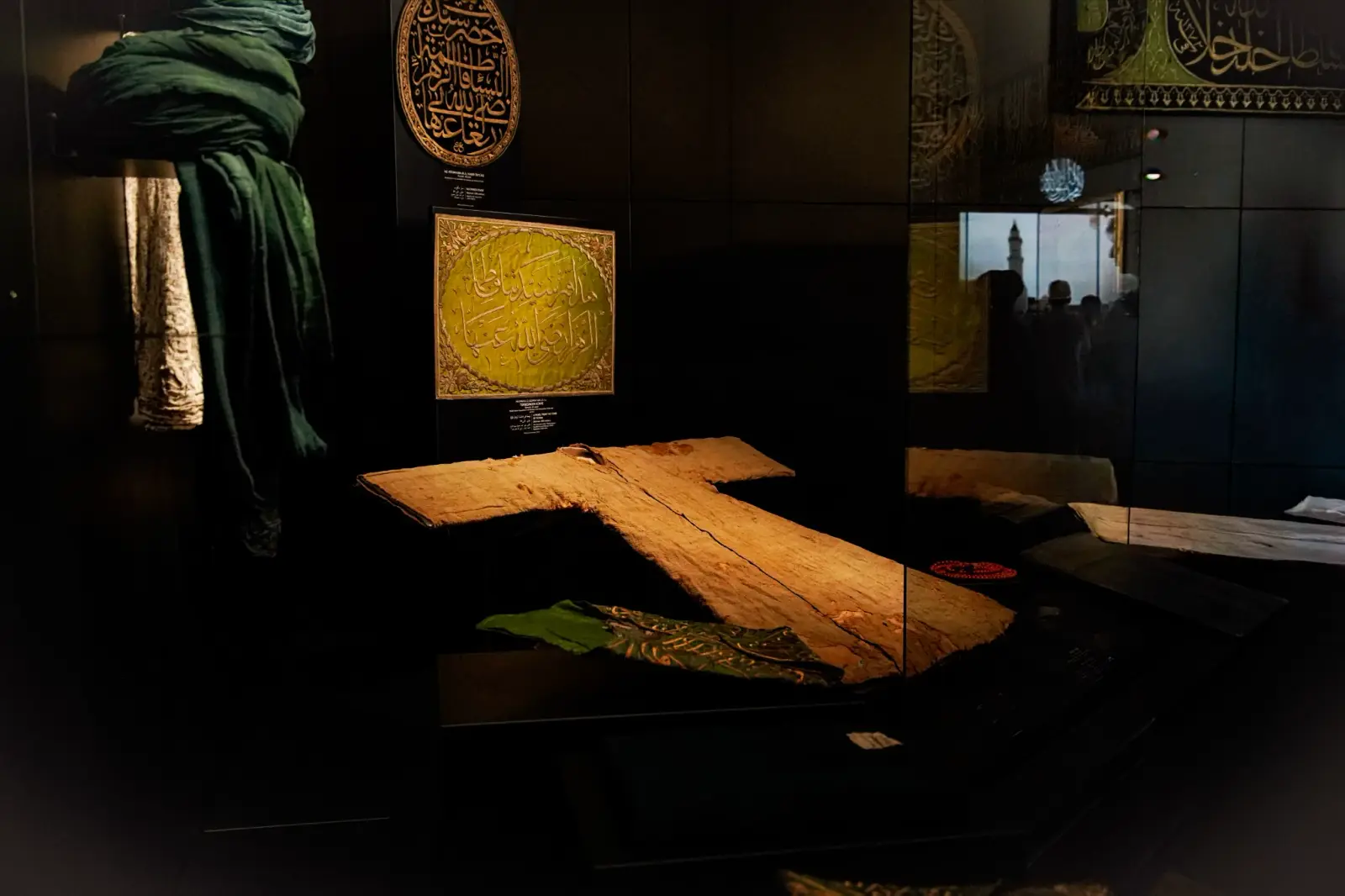
The Sacred Relics of Topkapı Palace
The Holy Mantle, the Prophet’s footprint, the swords of the companions: how the objects Selim I brought back from Egypt underwrote the Ottoman claim to the Caliphate.
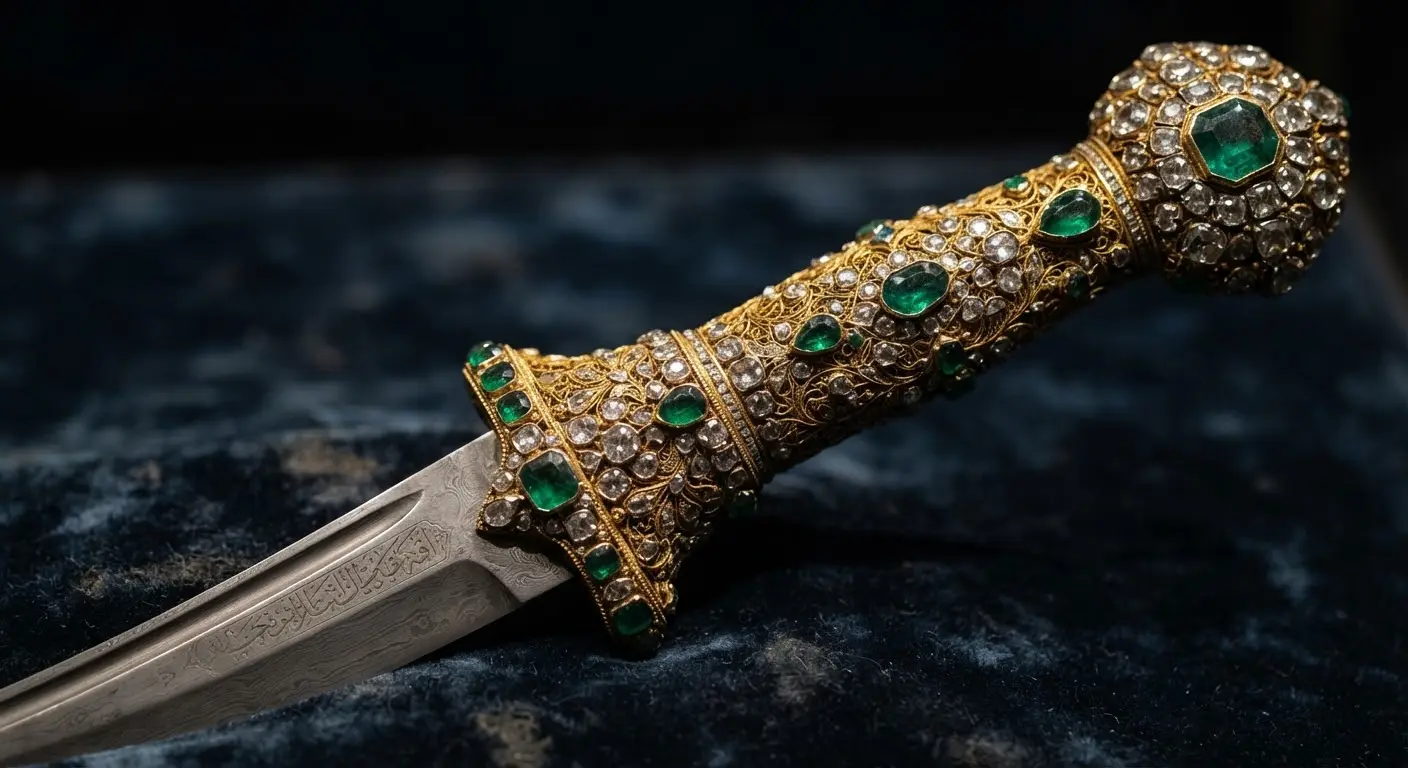
The Topkapı Dagger: The Story Behind the Palace’s Most Famous Treasure
A ceremonial jambiya made as a diplomatic gift for Nader Shah, three emeralds down its hilt and a watch hidden in its pommel — which never reached the man it was meant for.
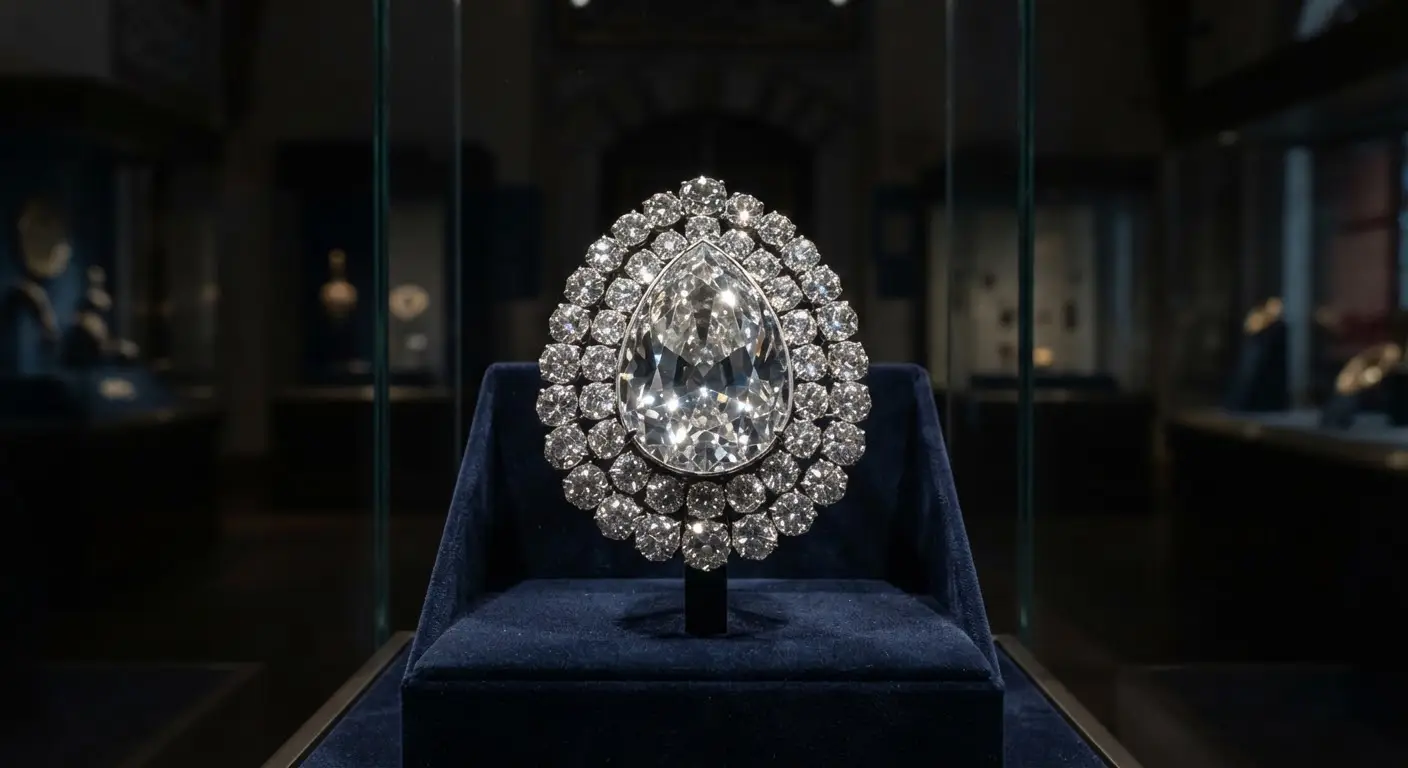
The Spoonmaker’s Diamond (Kaşıkçı Elması)
Eighty-six carats, pear-cut, set in silver inside a double row of forty-nine smaller stones — one of the largest diamonds on public display anywhere in the world.
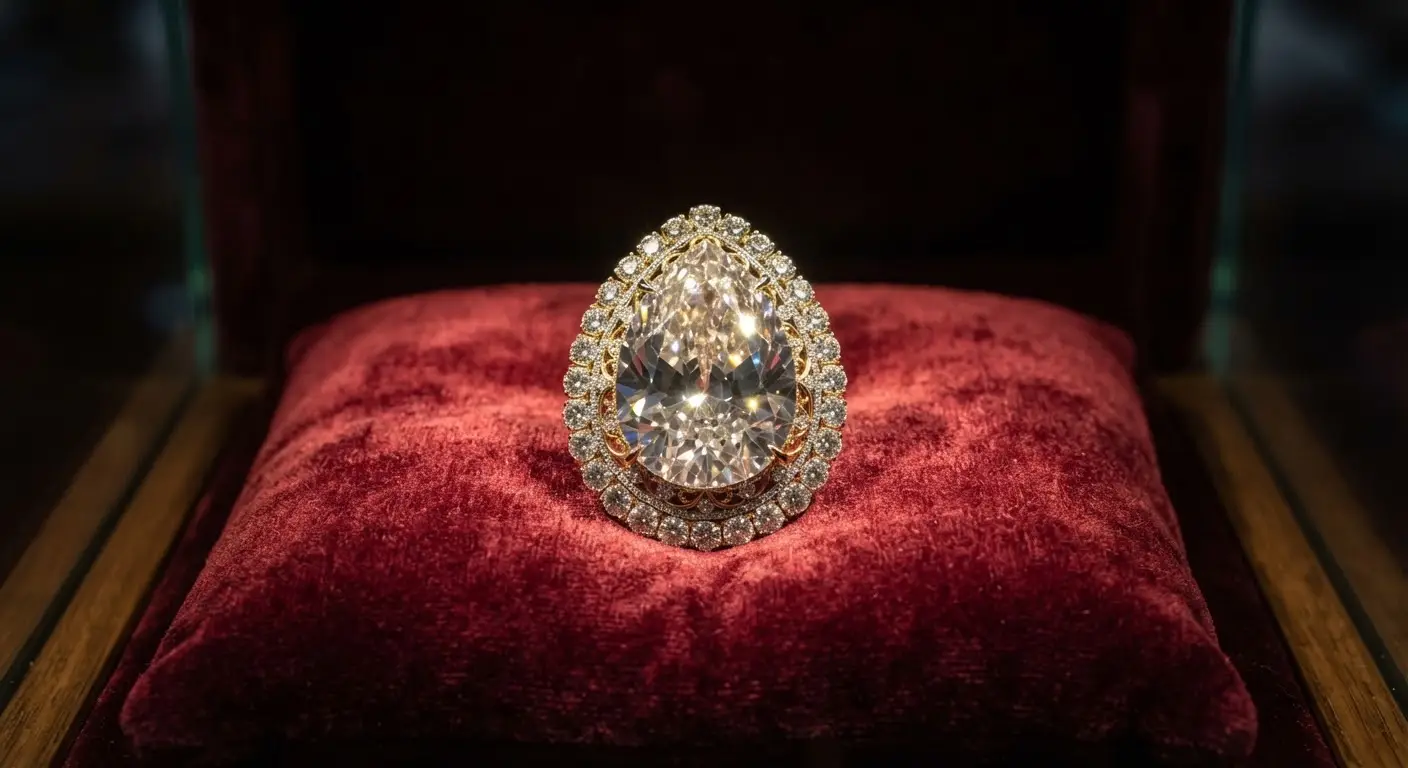
The Imperial Treasury: Priceless Treasures of the Ottoman Empire
Four centuries of war booty, diplomatic gifts and workshop commissions kept in the Conqueror’s Pavilion as the Enderun Hazine — the dynasty’s own wealth, under the strictest control.
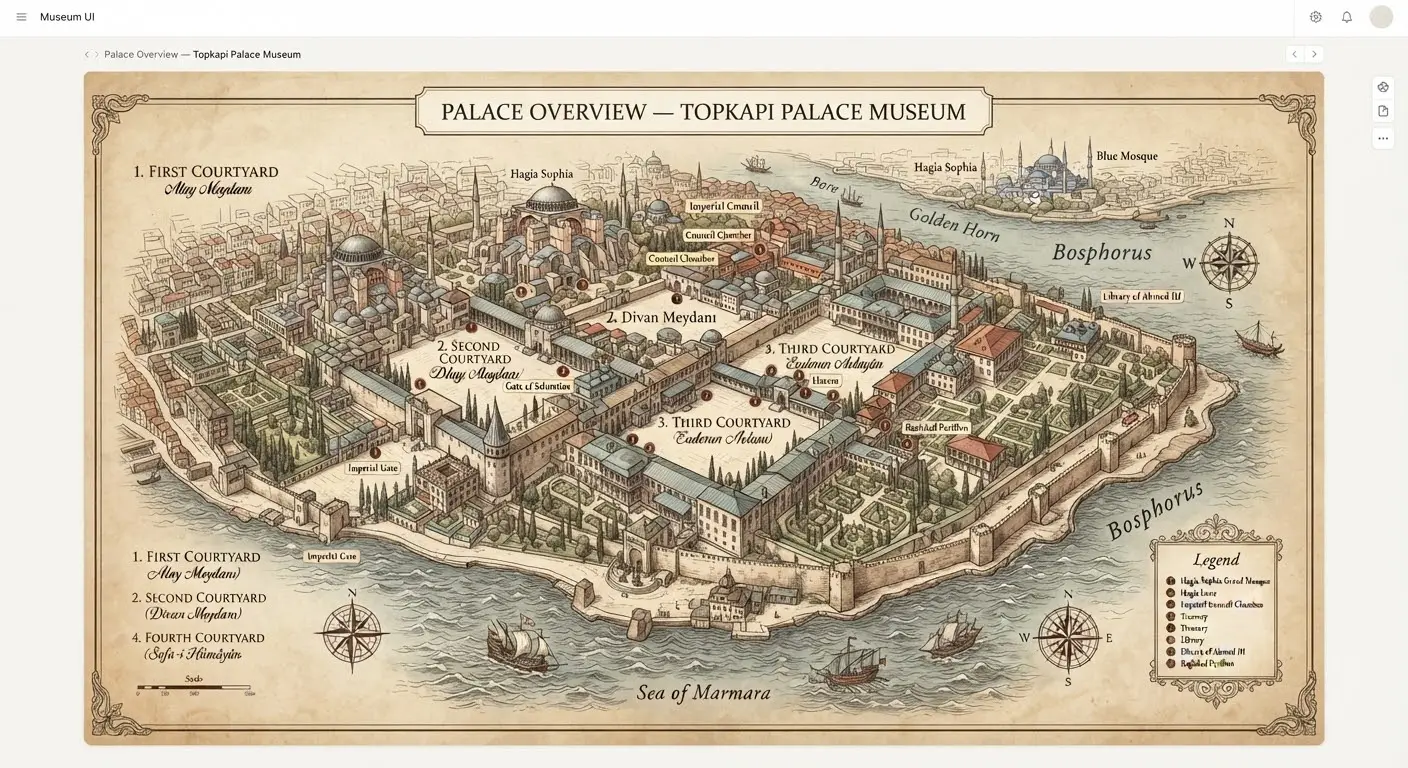
The Architecture of Topkapi Palace: A Palace Unlike Any Other
Not one monumental building but a low-rise complex of courtyards, pavilions and gardens, ordered by access and privacy rather than by axis and symmetry.
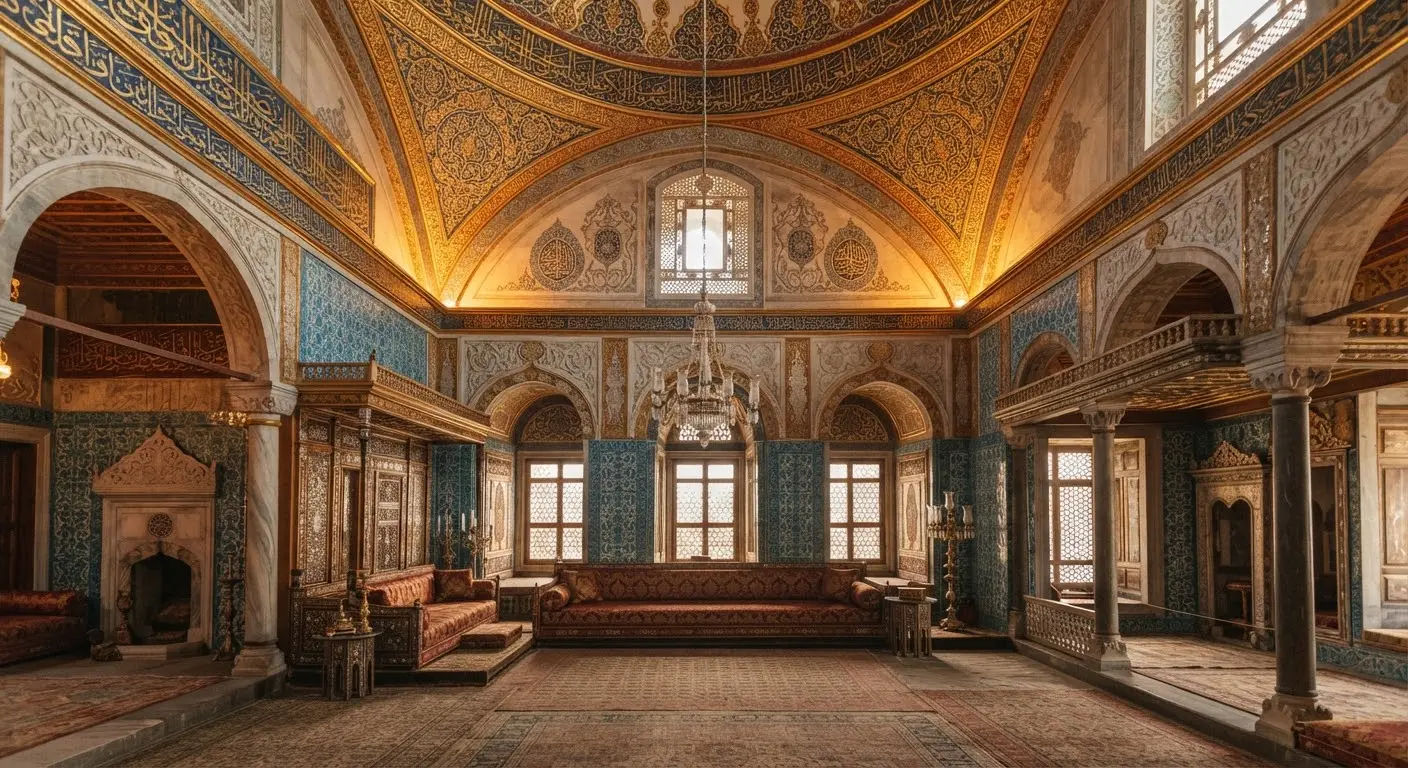
Hidden Symbols in Topkapi Palace’s Ottoman Architecture
The grilled window, the deepening courtyards, the placing of a fountain: what looks like decoration was often a deliberate statement about power, justice and seclusion.
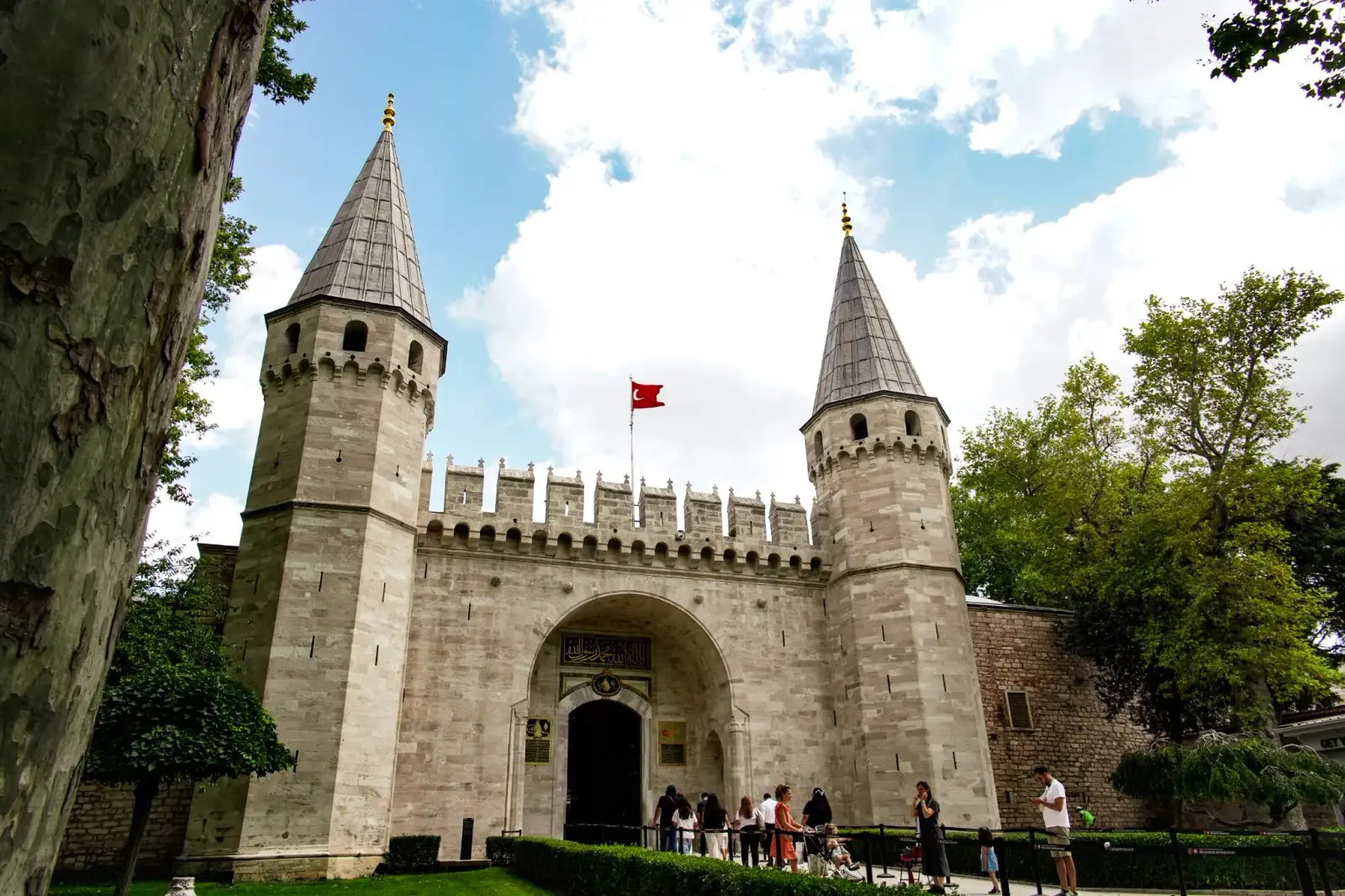
The Gates of Topkapi Palace and What They Represent
Bâbüsselâm, Bâbüssaâde and the Imperial Gate were never simply openings in a wall. Each marked a change of status, and passing through one was a ceremony.
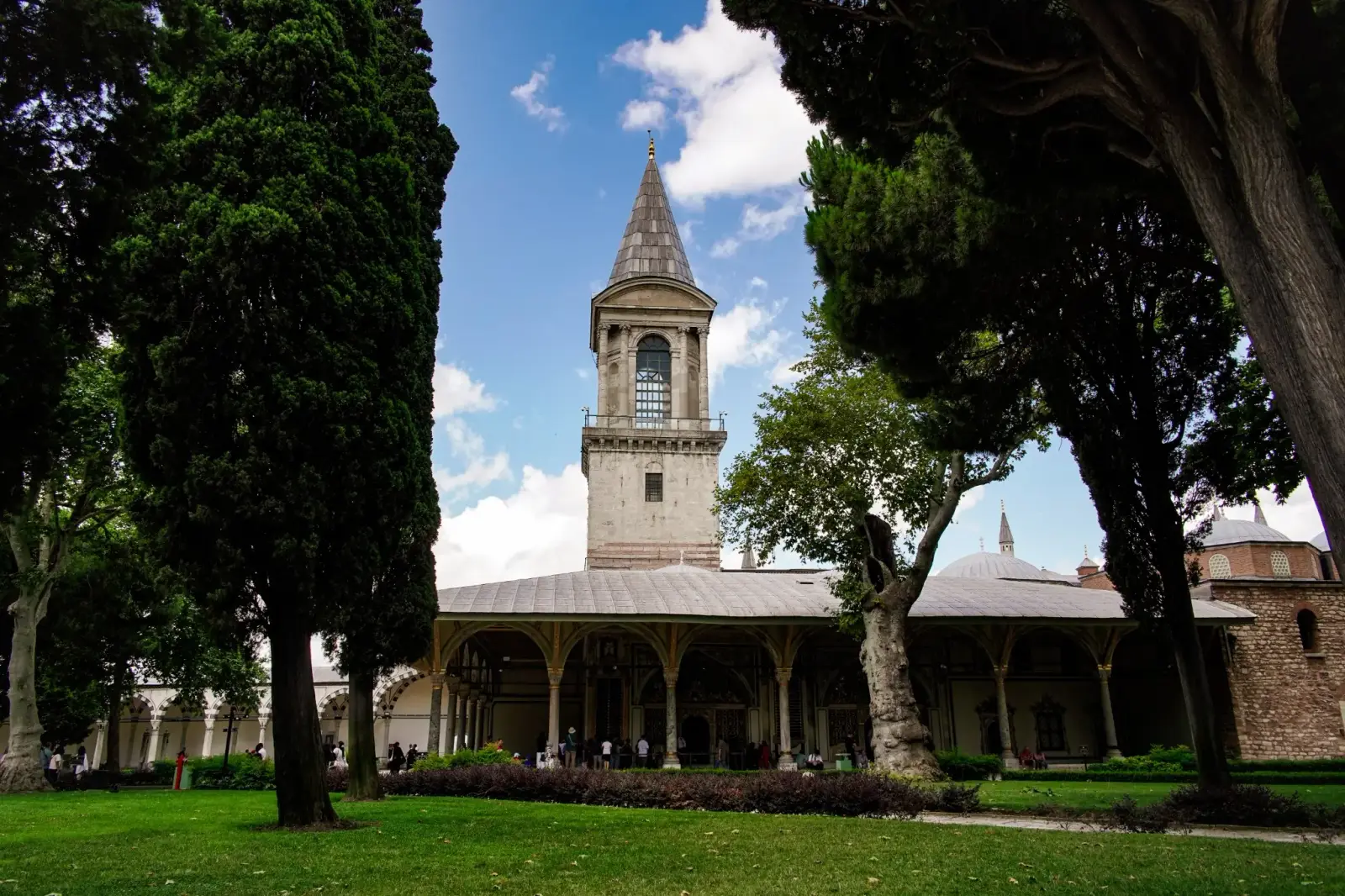
How Topkapi Palace Changed Over 400 Years
The Conqueror’s four-courtyard plan held, but almost every generation rebuilt inside it — fires, expansions, new tastes and shifting politics, layer over layer.
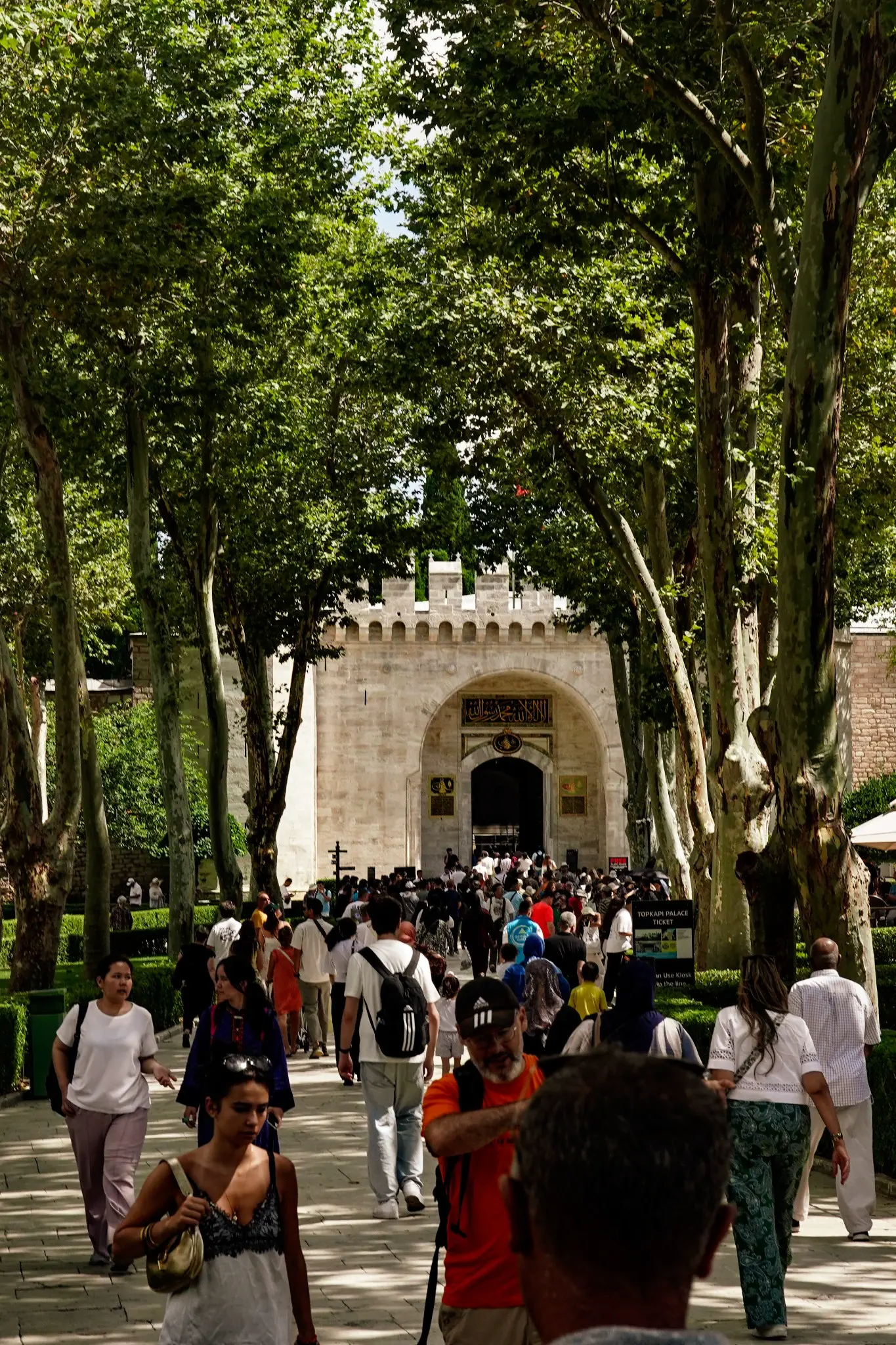
From Palace to Museum: How Topkapi Palace Opened to the Public
The court left in 1856, the sultanate ended in 1922, and in 1924 the palace passed to the nation and opened its gates as one of the young Republic’s first museums.
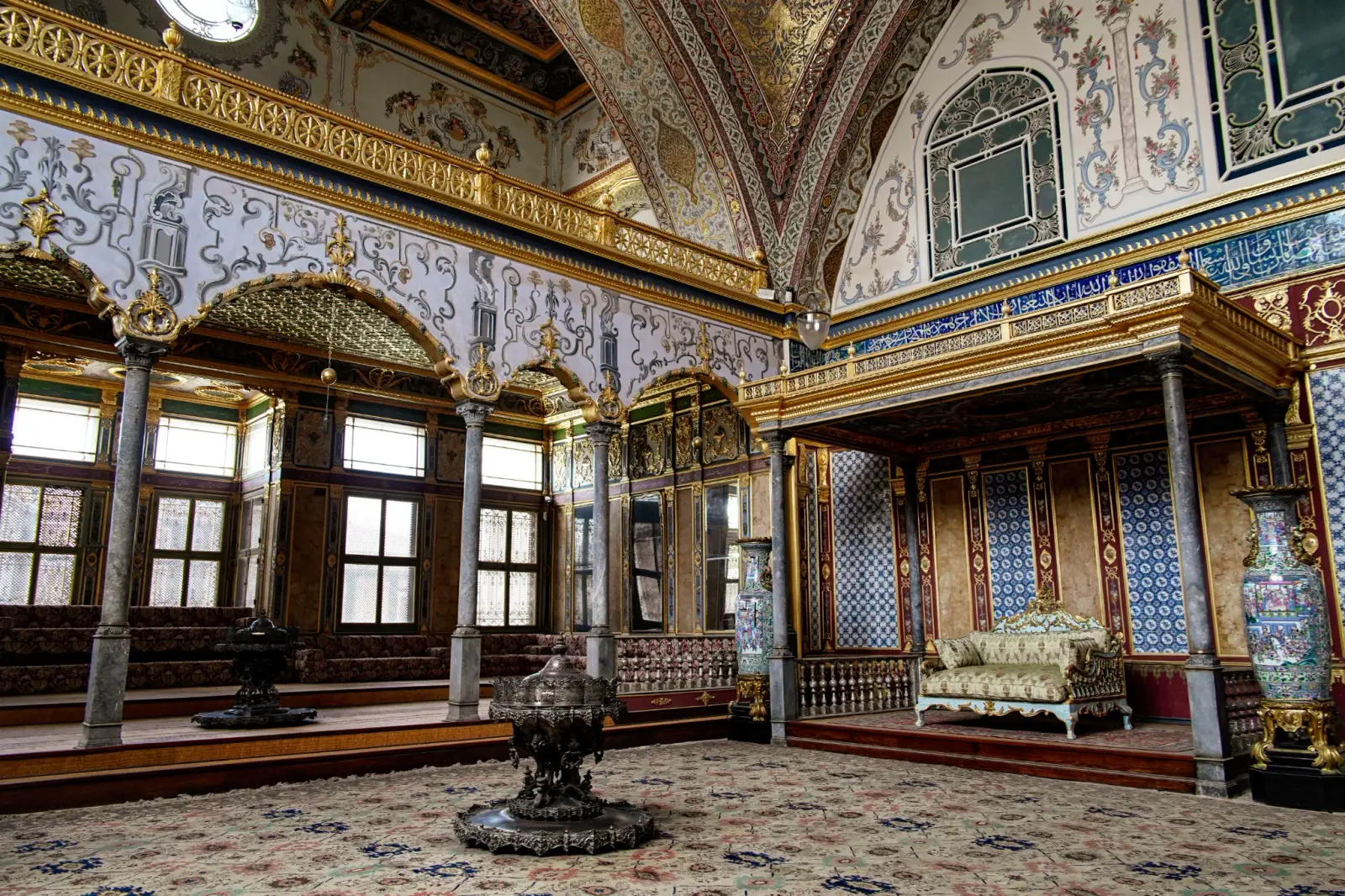
Topkapi Palace in the Age of Suleiman the Magnificent
Under Süleyman I the restrained New Palace became the ceremonial centre of a world empire — larger audience halls, a rebuilt treasury and a court culture to match the reach.
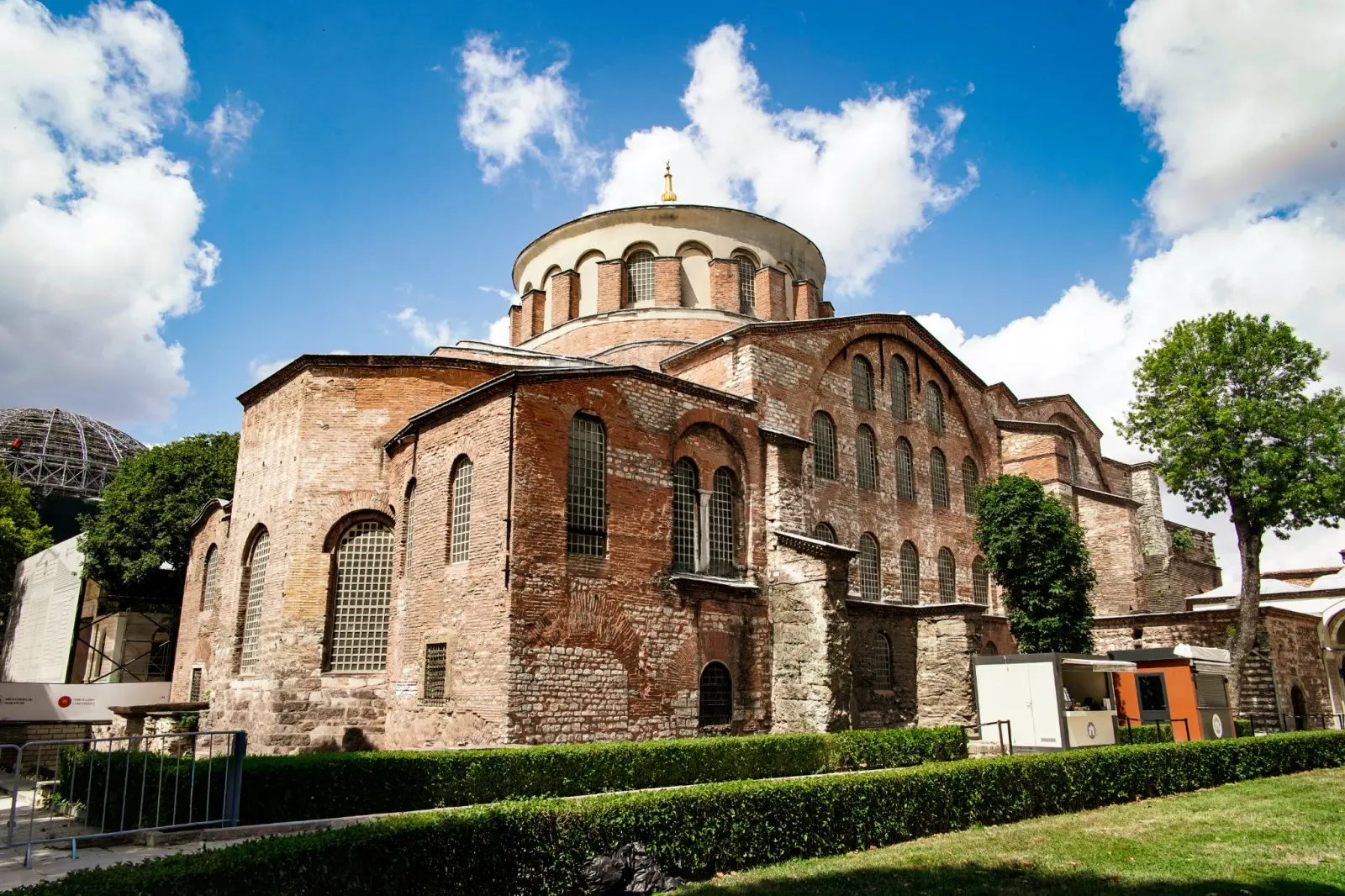
Topkapi Palace During the Reign of Mehmed the Conqueror
Constantinople fell on 29 May 1453 and the new capital needed a seat of government to match it. The palace on the point of the peninsula was Mehmed II’s answer.

Topkapi Palace vs Dolmabahce Palace: Two Eras of the Ottoman Empire
Two imperial residences from two different worlds — the classical court of courtyards and seclusion against a nineteenth-century palace built to be read by Europe.
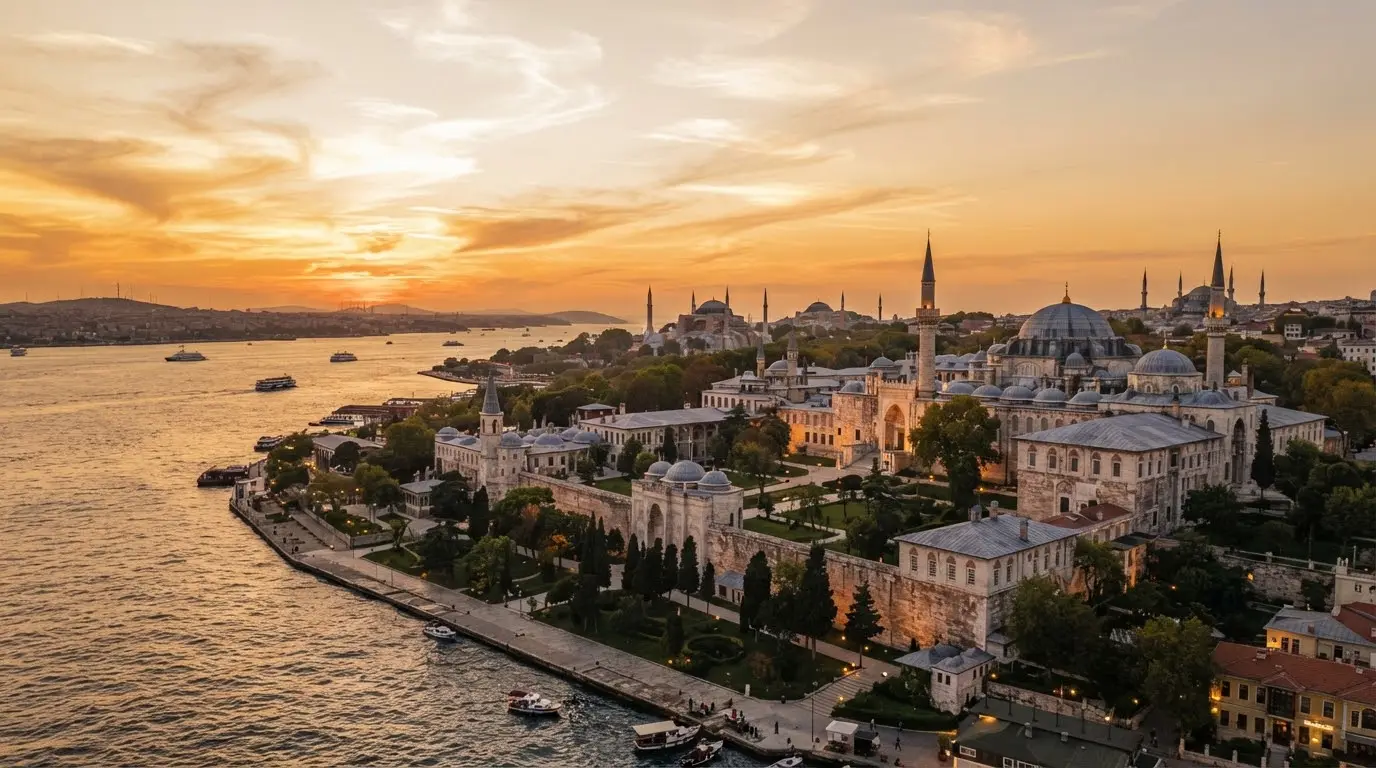
Topkapi Palace in Movies, TV Series and Popular Culture
From Jules Dassin’s 1964 heist film to Turkish period drama: how the palace became shorthand on screen for intrigue, treasure and the Ottoman court.
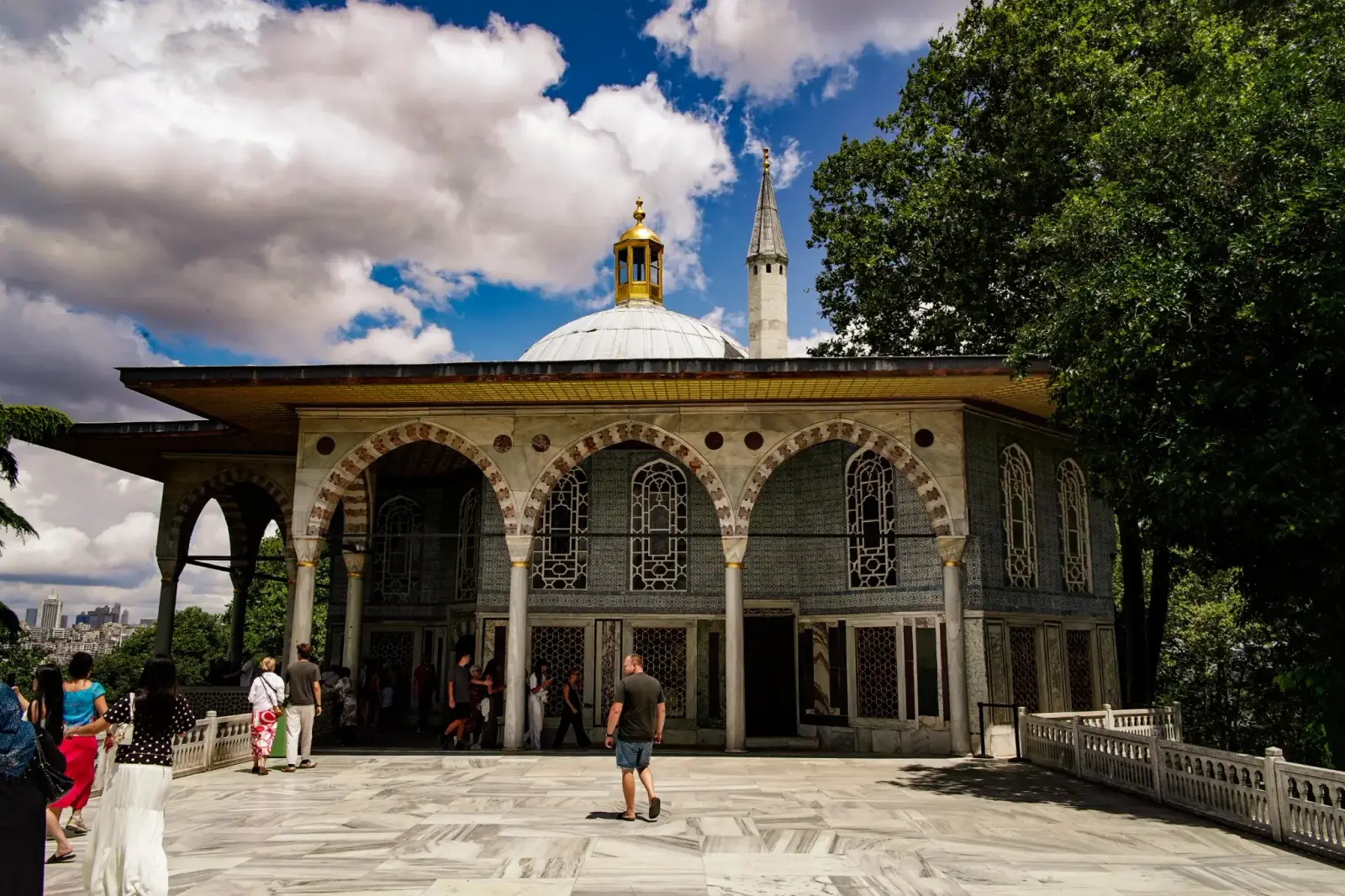
The Best Photo Spots Inside Topkapi Palace
The gates, the tiled chambers, the Baghdad Pavilion terrace and the view over three seas — the strongest positions in the palace, roughly in the order you reach them.
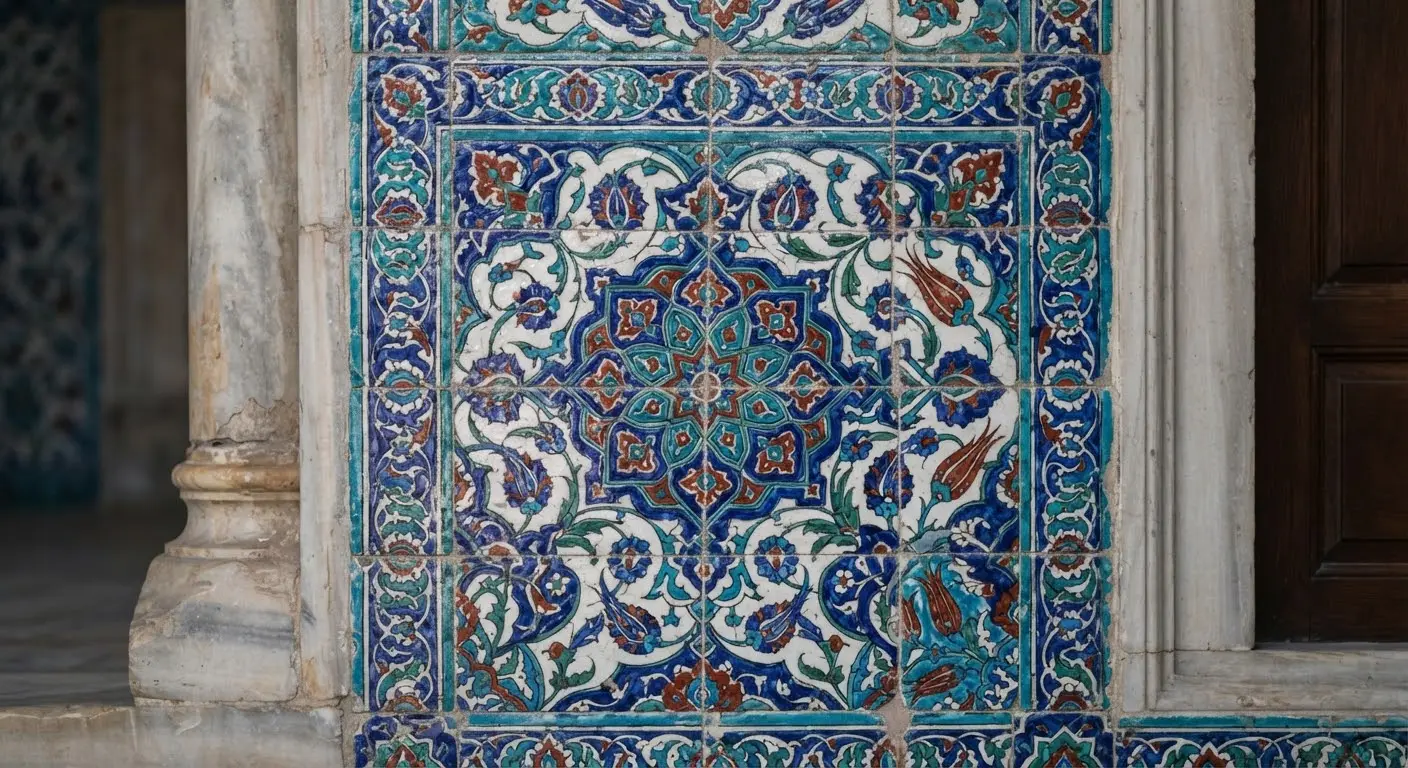
What to Look for When Exploring Topkapi Palace: Details Most Visitors Miss
The palace rewards slow looking: the sequence of the courtyards, the reused Byzantine stone, the joins in the tilework and the sightlines most visitors walk straight past.
From Page to Palace
Reading about the history is only the beginning. Book your visit today and walk the same corridors as the Sultans.