
Secrets of the Imperial Harem: Beyond the Myths
Orientalist painting invented an idle world of intrigue. The records show a strict hierarchy, a working household, and a route to real political power for a very few.
Western Orientalist paintings and literature created a powerful myth of the Topkapı Harem as an exotic, idle world of endless sensuality, jealousy, and intrigue. The historical reality was far more structured, disciplined, and politically significant. Here are concrete examples that reveal the true nature of life inside the Imperial Harem:
1. It Was Primarily a Household and School, Not a Brothel
The majority of the hundreds of women living in the harem were “cariyes” who were enslaved or gifted young women who never became sexual partners of the sultan. Most served as household staff, laundry workers, cooks’ assistants, cleaners, bath attendants or personal servants to higher-ranking women.
Only a small number rose to the ranks of “gözde” (favorite), “ikbal”, or “haseki”. The harem functioned as an elite finishing school where girls received rigorous training in Turkish language, Islamic religion and practice, court etiquette, reading and writing, music, embroidery and household management. Talented women could become teachers “kalfa” or “usta” or administrators. Many eventually left through arranged marriages with dowries to palace officials or provincial elites for spreading Ottoman court culture outward.
2. Strict Hierarchy Determined Everything
Status was rigidly ranked and visible in living quarters, clothing, income, and access:
- The Valide Sultan (Queen Mother) stood at the absolute top and controlled the entire household budget and staff.
- Below her came the “Haseki” or “Kadın” (chief consorts often mothers of princes).
- Then secondary favorites such as senior female officers and ordinary “cariyes” in dormitories.
A woman’s rank could rise dramatically if she bore a son or fall if political fortunes shifted. This hierarchy was not romantic rivalry alone but rather structured daily life and competition.
3. Daily Life Followed a Disciplined, Prayer-Centered Routine
Contrary to images of lounging odalisques, the day began before dawn with ablutions and the sabah prayer. It continued with breakfast, household duties or lessons, the main midday meal, afternoon rest or baths, further work or music practice and evening prayer.
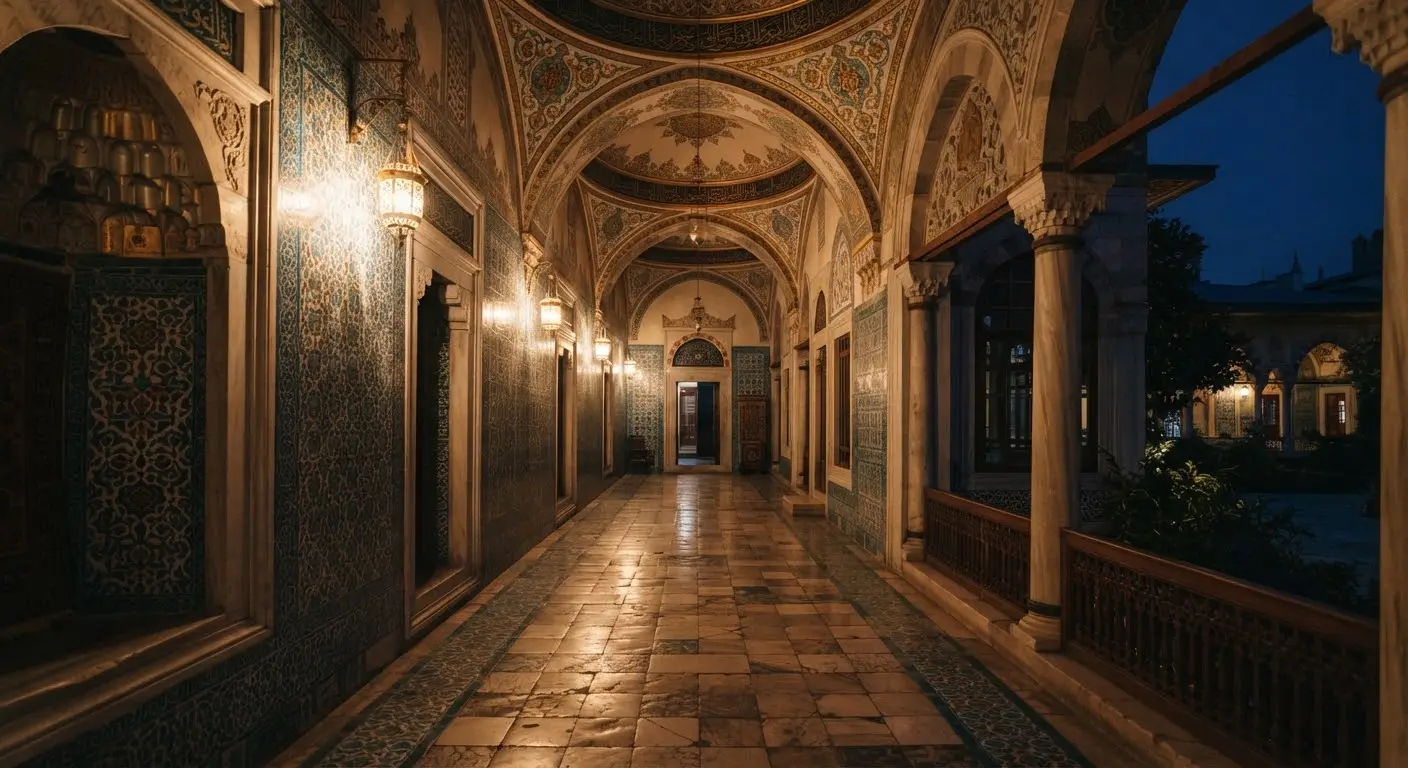
Gates were locked after the night prayer. Silence, protocol, and supervision were constant. The architecture itself which successive courtyards, screened windows, narrow corridors, and the Courtyard of the Black Eunuchs reinforced control and privacy rather than free sensuality.
4. Eunuchs Were the Critical Gatekeepers and Power Brokers
Black eunuchs headed by the powerful “Kızlar Ağası” Chief Black Eunuch, controlled all access to the harem and served as the essential intermediaries between the women and the outside world including the sultan and the Divan.
The Chief Black Eunuch ranked among the highest officials of the empire. White eunuchs mainly served the male sections of the palace. This system of castrated guardians was central to the harem’s security and its political functioning not merely decorative.
5. Political Power Was Real and Institutionalized
During the “Sultanate of Women around mid-16th to mid-17th centuries, certain women exercised genuine state influence from within the harem:
- Hürrem Sultan who broke centuries of tradition by becoming Süleyman’s legal wife, remaining in Istanbul, moving the harem permanently into Topkapı and intervening in appointments and diplomacy.
- Kösem Sultan who served as formal regent for underage or weak sultans, attended council meetings from behind a screen, appointed officials and managed policy for decades.
- Other Valide Sultans like Nurbanu, Safiye, Turhan controlled appointments, corresponded with foreign rulers and directed large architectural and charitable projects.
Their power derived from motherhood of the sultan, control of household networks and strategic marriages of their daughters — not primarily from personal seduction.
6. Architectural and Spatial Secrets Served Control and Communication
The harem contained practical features often overlooked:
- Multiple courtyards that increased in restriction.
- Private gardens for the Valide Sultan.
- Acoustic designs including spaces that allowed discreet conversation.
- Service areas like kitchens, laundry, baths, pantries that reveal a working household rather than pure luxury.
- The “Cage” (Kafes) apartments where princes were confined. It was a system of political control that affected the entire dynasty.
7. Most Women Left or Aged Out of the System
Many “cariyes” were married out of the palace. Others remained as lifelong servants and teachers. Aging women or those who fell from favor could be sent to the Old Palace. The harem was not a permanent sensual paradise. It was a dynamic institution with entry, training, possible advancement, marriage, motherhood, political influence or quiet service and eventual exit or decline.
These realities transform the harem from a fantasy of erotic mystery into something more historically interesting. It was a sophisticated, hierarchical royal household that combined education, domestic administration, dynastic reproduction and at its height, real political power at the center of one of the world’s great empires. The myths persist because outsiders were forbidden entry which the documents, architecture and career paths of the women themselves tell a more complex and revealing story.
From Page to Palace
Reading about the history is only the beginning. Book your visit today and walk the same corridors as the Sultans.